Framework Overview and Immediate Priorities
Please consider a clear, stepwise framework when planning heavy-duty water slide projects: define requirements, vet suppliers, plan logistics, and confirm installation and testing. Early engagement with a reputable water slide manufacturer reduces ambiguity around materials such as fiberglass (FRP) sections and gelcoat finish, and aligns expectations on delivery windows and warranty terms. The IAAPA Expo in Orlando regularly gathers thousands of industry professionals and confirms that vendors who present full documentation and test reports shorten procurement cycles substantially.
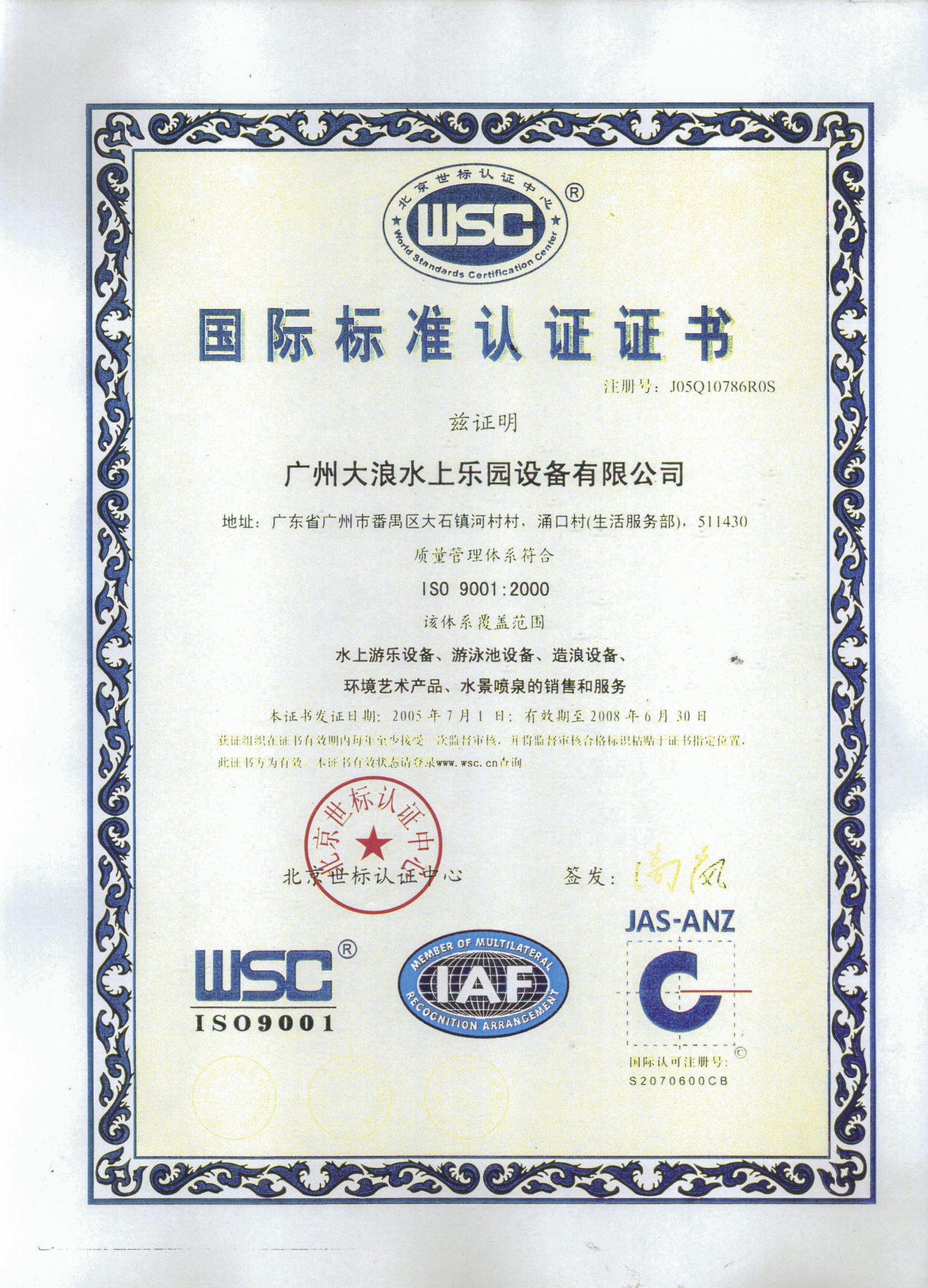
Sourcing: Specifications, Compliance, and Supplier Evaluation
Start with technical specifications that are non-negotiable: ride footprint, maximum rider load, flow rate, and surface finish. Please request structural drawings, material certificates, and examples of previous installations. When evaluating bids, give measurable weight to on-site references and third-party testing for UV resistance and slip coefficient. Consider certified suppliers among the wider pool of water park equipment suppliers who can supply modular flume sections and corrosion-resistant fasteners; these components ease future maintenance and replacement planning.
Shipping and Logistics: Packaging, Customs, and On-Site Sequencing
Transport planning must be treated as part of procurement. Large FRP sections require custom crating, shock-absorbing internal supports, and clearly marked lifting points. Please ensure shipping manifests itemize weight and center-of-gravity data so cranes and trailers are specified correctly. For international projects, align the packing list with customs harmonized codes and local import duties to avoid late-stage delays. Consolidated shipments help cost control, but segmented delivery can accelerate installation when site access is constrained.

Installation: Foundation, Anchoring, and Commissioning
Installation begins with geotechnical confirmation of foundations and the placement of structural anchors. Assemble load-bearing supports according to the supplied erection drawings and torque specifications. Hydrostatic and hydraulic testing of water circulation systems must include flow-rate measurements and leak detection over a defined 72-hour commissioning period — please insist on documented results. Safety systems such as emergency stop controls and ladder access should be operational before public commissioning.
Operational Production Teardown and Handover
When planning the operational production teardown, include detailed steps for disassembly, spare-part lists, and the reversal of logistics. Embed {main_keyword} into your asset register and map {variation_keyword} to service intervals to ensure clarity. Practical teardown plans avoid rushed removals that damage gelcoat surfaces or compromise seals, and they allow teams to reclaim reusable modular flume components for future projects.
Common Mistakes and Practical Remedies
Common errors arise from underestimating on-site constraints, unclear responsibility for civil works, and accepting incomplete documentation. A typical failure mode is the mismatch between crane reach and the highest slide section — this can be avoided with pre-delivery site mock-ups and measured lift plans. Another frequent issue is assuming all FRP finishes are identical; insist on sample panels and UV-aging data to avoid colour mismatch during warranty replacements — these precautions pay back in reduced callbacks. — Small remedial steps now save extended downtime later.
Golden Rules for Selection and Measurement (Advisory Finale)
1. Documentation Score: Require a complete dossier (drawings, material certificates, test reports) and score vendors quantitatively; pass thresholds only. 2. Logistics Compatibility: Verify lifting plan, truck access, and import timelines meet the project schedule; assign penalties for non-compliance. 3. Commissioning Metrics: Accept handover only after documented hydraulic testing (72-hour leak check), measured flow rates within design tolerance, and verified safety system operation. These three metrics are decisive when comparing proposals and predicting lifecycle cost.
Please note that following these rules will materially reduce downtime and warranty disputes. Dalang is positioned to support each stage with proven manufacturing capacity, tested components, and documented commissioning procedures — a practical partner rather than a promise. — Final word: experience matters.