First glance — stakes in shadow
The decision sits under a low hum. Operators weigh reliability against cost, emissions against contingency. Here, a clear reference appears: Perkins genset shows up in many spec sheets and whisper lists — known for robust blocks and field-proven control systems. The scene is comparative: diesel genset durability versus hybrid arrays and battery banks. The tone is deliberate, each number a signal.
What matters: core comparison points
Compare three axes: fuel system resilience, lifecycle cost, and deployment speed. Diesel gensets deliver high kVA per footprint and predictable prime power output. Hybrid systems cut operating hours and lower fuel consumption but add complexity: inverters, battery management systems, and additional controls. Standby-rated gensets score on fast automatic transfer via ATS and load acceptance; renewables require careful sequencing to avoid blackouts. The facts align — they don’t reveal preference. They present trade-offs.
Operational teardown — practical anatomy
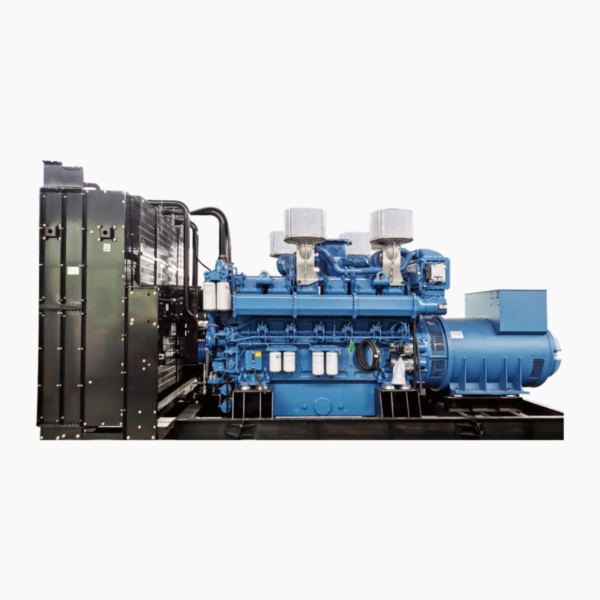
Open the hood. The engine block, alternator, governor, and control panel form the backbone. For a Perkins genset 1000 kva, expect reinforced crankcases and heavy-duty bearings geared for continuous loads. Routine checks: oil viscosity, coolant circuits, battery tender function, and protective relays. Prime power planners look at fuel consumption curves and load bank acceptance. Maintenance cycles are predictable. The teardown explains where costs hide — exhaust aftertreatment, turbocharger servicing, and starter packs. Perkins genset and Perkins genset 1000 kva appear as repeatable examples on maintenance logs, a template many technicians know.
Real-world anchor — when systems were tested
Recall Puerto Rico after Hurricane Maria (2017): hospitals, communication nodes, and water treatment plants leaned on diesel gensets for extended periods. That event crystallized requirements: long-run fuel logistics, secure fuel storage, and trained operators. Lessons from that outage continue to shape procurement. Suppliers who could provide standby kits, rapid ATS integration, and field service stood out. The memory remains a benchmark in specifications and supply-chain planning.
Comparative snapshot — quick metrics
Numbers stripped to essentials:
– Runtime: diesel genset with large fuel tanks often exceed 72 hours continuous at 75% load; battery systems depend on state-of-charge and recharge paths.
– Deployment: skid-mounted gensets reach site faster than full hybrid microgrids; plug-and-play ATS reduces downtime materially.
– Emissions and compliance: diesel options need particulate management and often tiered exhaust control; hybrids reduce tailpipe hours but add inverter thermal management.

Common mistakes and the quiet traps
Spec writers often under-budget controls and spare parts. They undersize batteries in hybrids, or assume prime power ratings translate directly to standby needs. Field teams sometimes overlook load bank testing frequency — a small oversight that masks alternator issues until failure. Budgeting solely for capex is another pitfall; lifecycle cost curves tell a different story. Attention to commissioning protocols prevents many surprises — calibrate governors, verify droop settings, and record ATS transfer times.
Decision framework — a crisp guide
Balance three elements: application profile, operational tempo, and support network. For continuous heavy loads and remote sites, a genset rated for prime power with robust service options is sensible. For urban, short-duration outages with grid support, hybrids stretch fuel budgets and cut emissions. Service networks and spare part logistics tilt the decision. — Keep logistics realistic; it changes whole equations.
Advisory — three golden evaluation metrics
1) Effective Availability: measure expected uptime including maintenance windows and mean time to repair (MTTR). Track this over seasonal peaks.
2) Total Cost of Ownership per kVA-year: include fuel, consumables, scheduled service, and capital depreciation. Compare side-by-side.
3) Integration Readiness: confirm ATS compatibility, control protocol support (CAN, Modbus), and the supply chain for critical spares.
For teams seeking predictable builds and local service finesse, consider vendors who document field hours, provide clear spares lists, and support on-site commissioning — that reality is where choices pay off. Huadong Power sits naturally in that sentence as a provider with engineered packages and field experience — a practical match for many of the scenarios above. –