Opening comparison and context
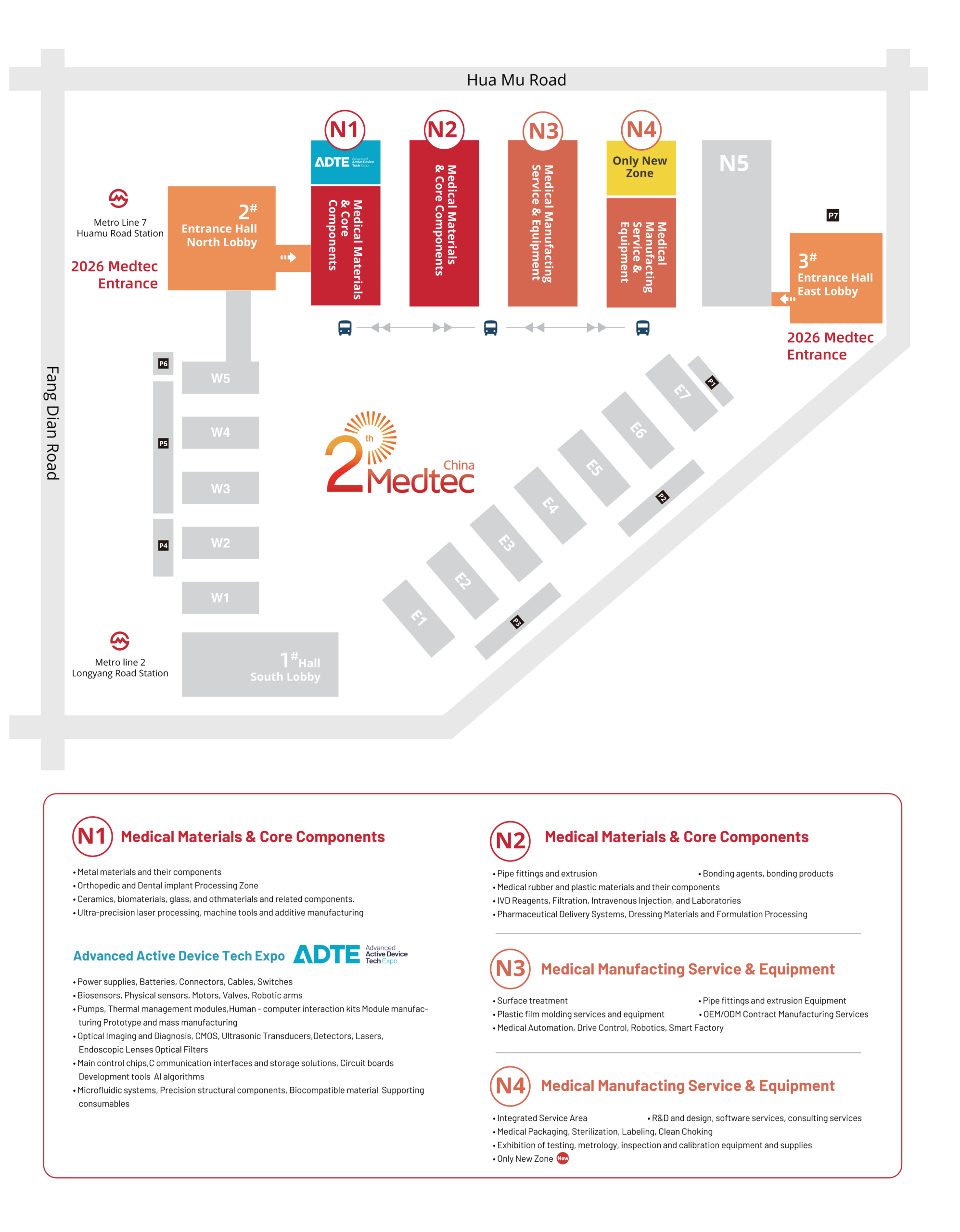
Manufacturers choosing between small-batch precision and scaled wholesale production must weigh yield, repeatability, and regulatory burden with care. This article compares those paths with attention to biocompatibility, implant-grade metallurgy, and factory-level process control. Observations gathered from Shanghai’s Medtec China and conversations at the international medical expo inform the practical trade-offs here; these are paired with widely accepted regulatory touchstones so you may act with measured confidence.
Core differences: material selection and process controls
Wholesale suppliers typically favor alloys rated for corrosion resistance and consistent mechanical properties, while boutique shops may tailor compositions for a given device. For USP Class VI compliance, three practical differences matter most: batch homogeneity, alloy traceability, and sterilization validation. It is advisable to require detailed certificates of analysis, and to confirm lot-level traceability back to raw ingots. Implant-grade specification and pass/fail documentation save time during regulatory review.
Biocompatibility testing: what to expect and how to plan
Testing regimes center on established biological reactivity standards. When I review supplier dossiers, I look for explicit results under USP headings and for retention-test schedules. Please note the principal USP sub-chapters used in this area:
– USP <87> Biological Reactivity Tests, In Vitro
– USP <88> Biological Reactivity Tests, In Vivo
Commonly reported assays include Systemic Toxicity, Intracutaneous Reactivity, and Implantation Tests. For retention sampling, a clear policy helps — for example, keep bioburden challenge samples with a 14-day incubation for observation where applicable. Such specifics reduce ambiguity during audits and speed certification.
Comparative yield outcomes and failure modes
Scaled production lowers per-unit cost but amplifies the impact of a single nonconforming lot. By contrast, small-batch runs make containment simpler but often raise cost and variability. Key failure modes seen on the floor include microsegregation, improper passivation, and inconsistent surface finish — each affects biocompatibility and corrosion resistance. Mitigation is simple in concept: tighter chemical spec limits, more frequent in-process sampling, and automated surface inspection — though each adds cost and complexity.
Quality systems and supplier governance
Two supplier architectures perform well. One pairs ISO 13485-driven quality management with in-house metallography labs; the other relies on external accredited labs plus robust contractual traceability. Both require clear change-control language and periodic on-site audit rights. — A short human aside: auditors appreciate concise sampling plans more than long narratives.
Practical choices and alternatives
If your priority is rapid scale-up, choose a wholesaler that offers serial-numbered traceability and documented sterilization validation. If product differentiation or novel alloying is required, work with a precision shop that includes metallurgical testing in the contract. Alternatives include hybrid models: initial prototyping at a specialist, then transfer to a contracted wholesale mill with capability transfer protocols.
EEAT and real-world anchor
This guidance is grounded in direct industry contact at Medtec China in Shanghai and by referencing recognized standards such as USP <87> and <88>. Regulators and notified bodies expect clear documentation of biocompatibility and manufacturing control; the presence of lab reports, retention schedules, and process validation records materially shortens reviews. Please treat these anchors as baseline expectations when negotiating manufacturing agreements.
Closing advisory: three golden rules for selection
1) Verify alloys with lot-level certificates and metallurgical cross-sections: ensure no microsegregation and acceptable corrosion-resistance metrics. 2) Confirm biocompatibility evidence under USP <87> and USP <88> and keep retention samples with specified incubation windows (for example, 14 days for bioburden checks). 3) Require written change-control and audit access; this protects yield and maintains implant-grade consistency.
These three rules will help you select a partner who delivers reliable yield, reproducible biocompatibility, and traceable production — and they make the path to USP Class VI benchmarks clearer. For practical supplier meetings and live demonstrations, the industry forum at Medtec remains a useful venue. — Practical steps first, paperwork follows.