Introduction — a quick scene, a hard number, a blunt question
I’ll be blunt: poor process control is the silent thief of product trust. A busy plant line can churn out thousands of packs per hour but still fail sensory checks or tear tests — and customers notice. The wet wipes production line I inspected last month was a case in point: high throughput, low consistency, and a rising scrap rate (we counted it in real time). Industry reports show defect rates hovering around 1–3% on older setups — that sounds small until you multiply it across millions of packs. So how do we stop small percentages from becoming big problems?
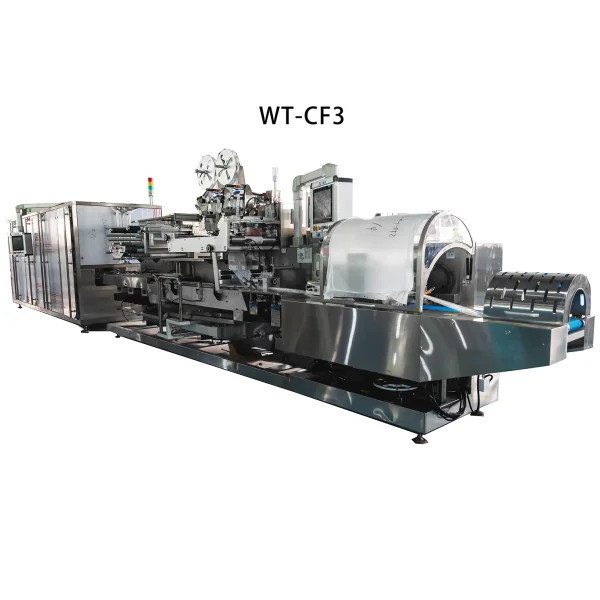
I’m writing from the floor, not a lab. I’ve seen belts that slip when humidity spikes, embossing rollers that wear unevenly, and control panels that ping false alarms. Those are symptoms. The real question: are we fixing the machine, or fixing our assumptions about control, sensing, and maintenance? Let’s walk through the nuts and bolts — and the mistakes I see most often — so we can choose smarter upgrades.
Where traditional solutions fall short (and what users quietly suffer)
Why do old fixes keep repeating?
When teams tackle problems on a wet wipe line they default to swapping parts or turning dials. The wet wipe production line is made of moving systems: cross-fold mechanism, ultrasonic sealing heads, packaging conveyors. Replace a worn seal or tune a PID and the symptom might vanish — briefly. But the root remains: poor data fidelity and siloed control. I’ve watched maintenance crews replace PLC controllers and servo motors one after another while vibration sensors went unread. It’s frustrating — and avoidable.
Technically speaking, older approaches assume deterministic failures: mechanical part X fails, swap it. But modern problems are multi-factor. Environmental shifts, intermittent power quality from shaky power converters, software drift in PLC logic, and delayed operator response all blend into an intermittent defect. Users don’t always report the pain loudly; they adapt. They slow the line without telling management, or they rework packs downstream, which hides the true cost. Look, it’s simpler than you think: data gaps breed bad decisions. Add better sensors, edge computing nodes, and simple analytics and you get earlier warnings — fewer surprises and less rework.
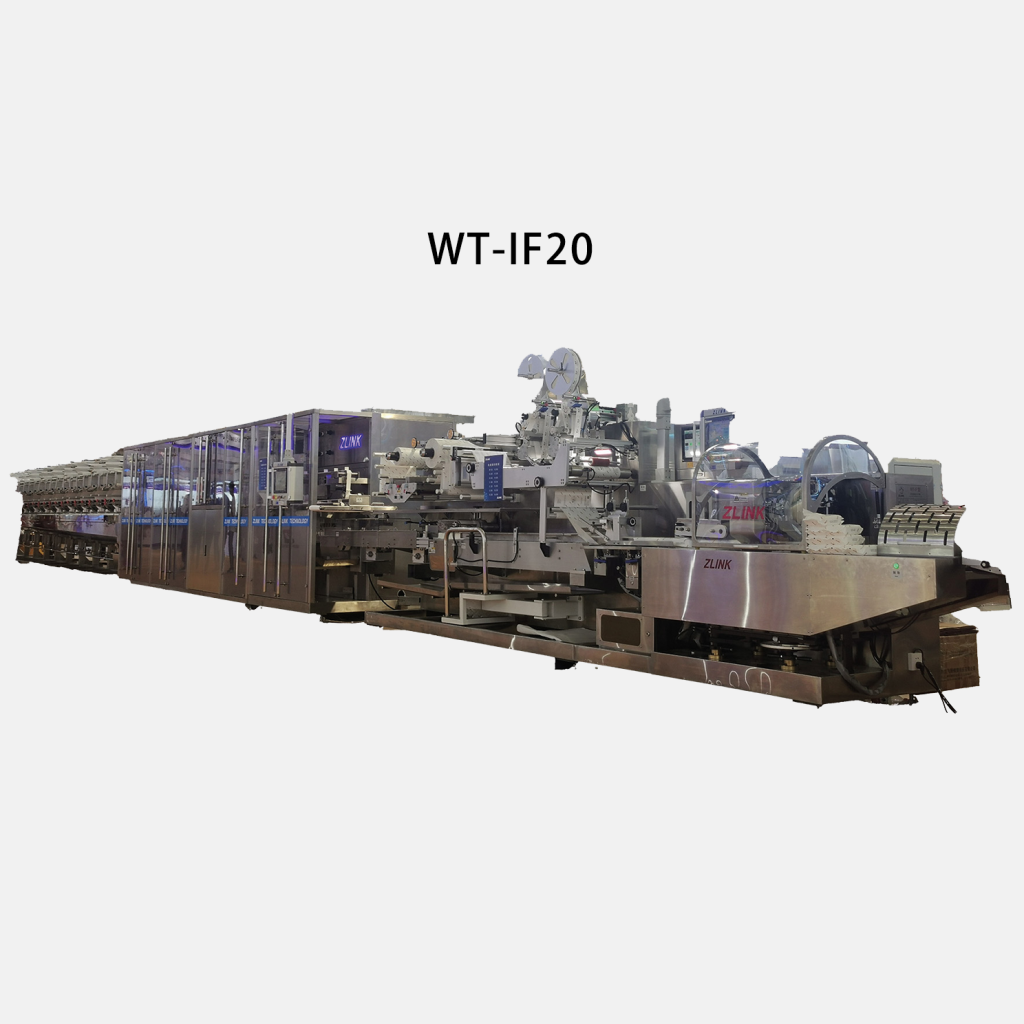
Forward-looking principles: smarter tech, clearer choices
What’s next — practical, not buzzwordy
I want to sketch three principles that actually work on the floor. First: distributed sensing. Instead of a few central readouts, place targeted sensors — tension sensors near the cross-fold mechanism, humidity probes by the embossing roller, and motor current monitors on servo motors. Second: intelligent preemptive control. Use local edge computing nodes to filter noise and flag trends before a shutdown. Third: resilient power and control layers — stable power converters, redundant PLC controllers, and fail-safe logic that reduces speed instead of halting production. These are not futuristic; they are pragmatic and affordable when chosen right.
In practice, a phased approach wins. Start small: add a vibration sensor and a current clamp, feed the data to a local node, tune the alarm thresholds, and watch the scrap rate fall. Then scale to predictive maintenance and pattern detection. Real plants gain 20–50% fewer unplanned stops (yes, I’ve seen that) — funny how that works, right? — and operators regain confidence. The goal isn’t to be flashy; it’s to be reliable, repeatable, and respectful of the people running the line.
Choosing upgrades — three metrics I use (and you should too)
When I evaluate a retrofit or a new build for a wet wipes production line, I apply three clear metrics. First: signal integrity — can the sensor and PLC yield stable, repeatable readings under real humidity and dust? Second: intervention latency — from detection to action, how long? If it takes minutes, the metric fails. Third: maintainability — can your shop team reset or repair it without a vendor technician? Rate each on a simple 1–5 scale and prioritize fixes that move the needle on all three. I recommend scoring options side-by-side; that reveals hidden trade-offs fast.
I’ll close with plain talk: technology helps, but only when it’s chosen with real shop-floor judgment. I’ve patched problems with new servo motors and better control logic, and I’ve also watched fancy dashboards collect digital dust because nobody trained the crew. Measure practical value, not shiny features. If you want a reliable partner, check systems end-to-end, ask for real uptime data, and demand service plans that include hands-on training. For a ready reference and proven system solutions, I lean toward partners with solid field records — like ZLINK.