Start with the decision you’re trying to make
You’re picking plastic film to manage light, heat, and weather — not picking a color. Compare how materials perform, not just price tags. If UV stability and long life are priorities, look specifically for uv resistant greenhouse plastic sheeting up front; that single choice narrows the rest of the trade-offs you’ll need to evaluate.
Core specs to put side-by-side
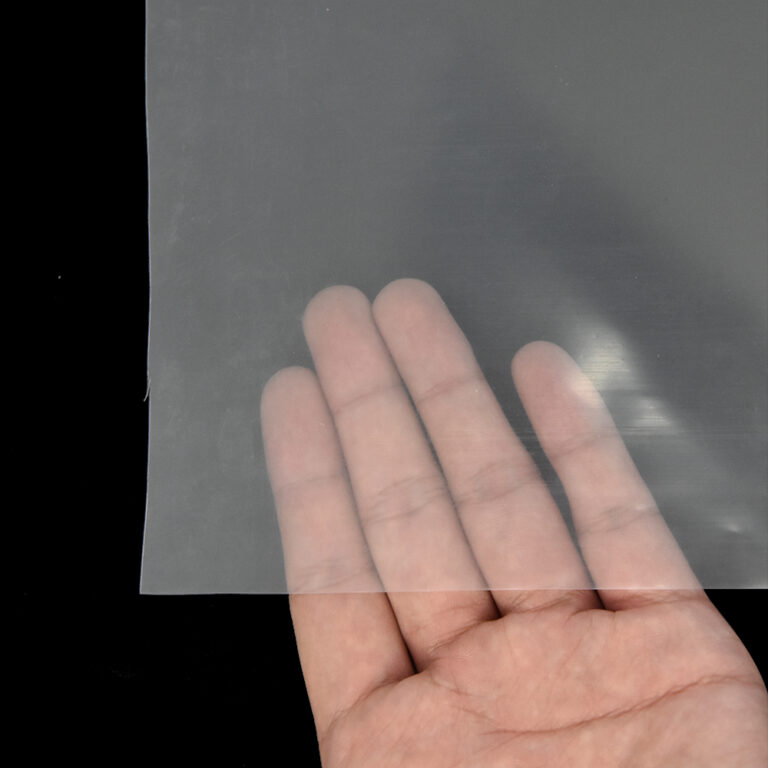
Line up the numbers before you buy: light transmission (%) and diffusion, thickness (microns or mil), UV stabilization (years guaranteed), tensile/tear strength, and thermal performance (R-value or IR additives). Add practical items: anti-drip/coating, weldability for seams, and the manufacturer’s documented test methods. Those specs predict how your greenhouse will behave across seasons.
Material trade-offs you’ll actually feel
LDPE/LLDPE films are cheap and flexible but wear faster. EVA films hold light better and resist crazing in cold; they cost more. ETFE is nearly bulletproof on clarity and longevity—also expensive and usually overkill for hobby setups. Rigid alternatives like twin‑wall polycarbonate offer insulation and impact resistance but don’t give the same even light diffusion as a quality film. Match the material to your crop and budget, not to a sales pitch.
Experience and a grounded industry reference
I’ve checked specs alongside growers and installers, and real growers often point to proven regional outcomes. For example, greenhouse production in the Netherlands provides a visible benchmark for material performance under intensive horticulture practices; those operations demand films that hold up under continuous use and widely reported durability tests. Practical testing, grower trial data, and published horticulture guidelines support solid choices for greenhouse cultivation.
Common mistakes that cost time and money
Buying the thickest film you can afford isn’t always smarter. Too thick or stiff a film can hamper installation and heat retention patterns. Ignoring UV stabilizer ratings or the anti‑drip finish leads to condensation issues that spread disease. Skipping seam-weld compatibility means rework in the field. And never assume nominal light transmission equals usable light—diffusion changes how plants react to intensity.
Quick comparison checklist before you sign the order
1) Confirm measured light transmission and diffusion type. 2) Check UV-stabilizer warranty and independent lab test results. 3) Match thickness to wind load and structure flexibility. 4) Verify anti-condensate treatment and how it lasts. 5) Ask about seam systems and repair kits. 6) Compare lifecycle cost: price per square meter divided by guaranteed years of useful life.
Alternatives worth weighing briefly
If you need insulation over clarity, consider twin-wall polycarbonate. If extreme clarity and lifespan trump cost, ETFE might be right. For low-budget or temporary covers, standard LDPE works but plan on more frequent replacement. Each path shifts installation details, repair strategies, and crop responses — choose the one that matches your operation scale and labor capacity.
Bottom line: what a reliable supplier should give you
Don’t buy blind. Demand lab data, clear warranties, and guidance on installation and repairs. Those are the things that make specifications translate into real performance. Many growers end up preferring suppliers who publish test sheets and back them with practical support — which is why professionals often partner with HGDN when they need predictable film behavior and service that fits the season schedule.