Start with the Line, Not the Cell
Define the line, and the cell follows—that is the first rule of stable manufacturing. Energy storage batteries sit at the heart of the line, yet the line decides their quality, yield, and cost. Picture a new plant bringing up its first pilot run on a warm morning. Dashboards glow, takt time is set, and the target OEE is 85%. Yet early data shows 6% scrap and 2.3 seconds per cell on formation. Why the gap? In practice, the gap often traces back to how we spec and tune lithium ion battery manufacturing equipment, from electrolyte filling to formation cycling. When process capability (Cpk) drifts, even by 0.1, a whole shift’s output can slide. Add the subtle load of power converters on the line and small variances become large. So, the real question appears: are we building around equipment limits, or around system behavior (and trust me, they are not the same)? Let us set the stage, then move into what actually breaks—and why.
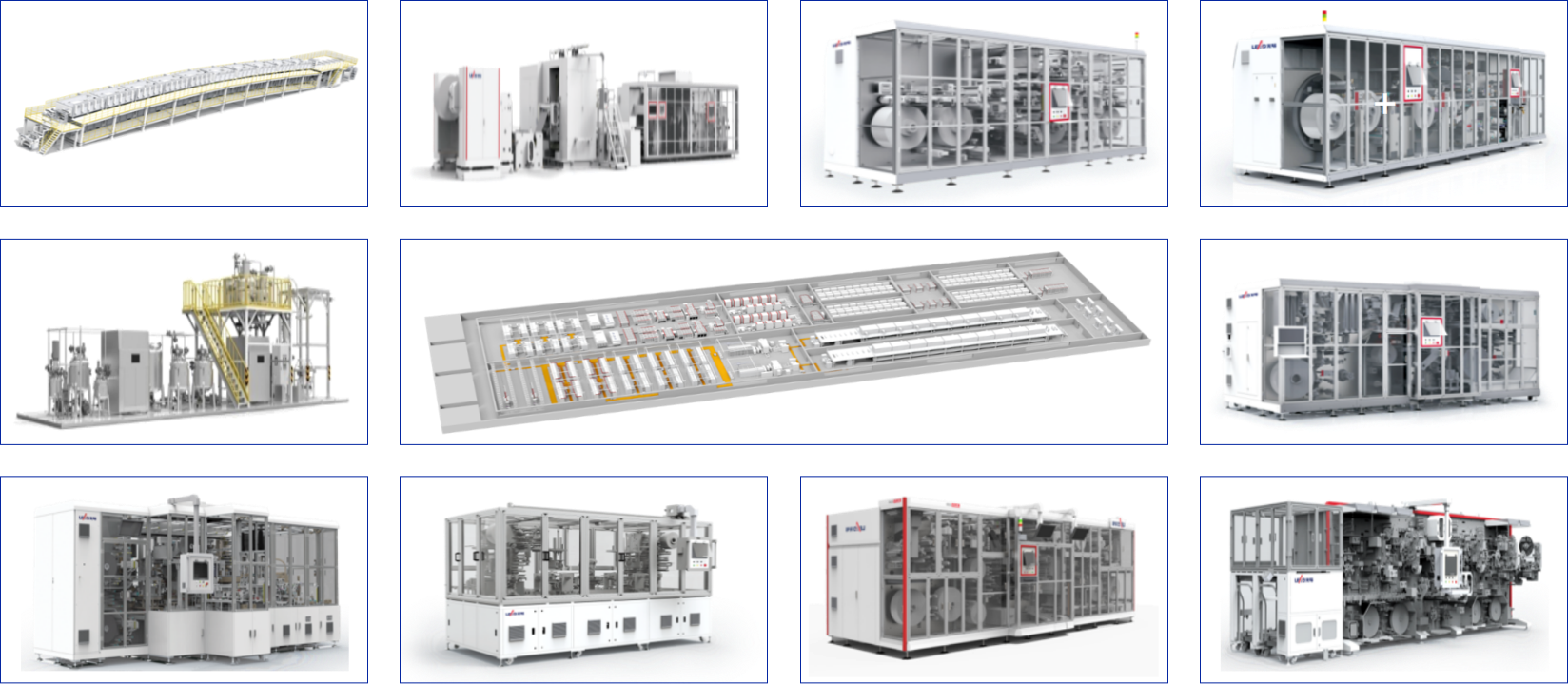
Where Older Setups Fall Short: A Comparative Look
What fails first when you scale?
Legacy lines often assume that single-station precision is enough. It is not. As volumes rise, misalignment shows up in the joints between steps: slurry mixing, coating, calendaring, electrode stacking, laser tab welding, and final sealing. The dry room may hold humidity, but not uniformly across zones; electrolyte filling may hit rate but miss penetration variance; formation cycling may stabilize current yet overrun schedule. Hidden queues pile up around bottlenecks. In-line metrology gets throttled, so anomalies pass through until the battery management system (BMS) flags them downstream. The result is late rework, higher scrap, and cycle-time creep—funny how that works, right? The pain is not visible on any single machine HMI. It lives in the handoff.
Look, it’s simpler than you think. Traditional control loops optimize for local throughput, not system flow. When a coater sprints but the dryer lags, you win on one screen and lose in the warehouse. When power converters add ripple and the test rack filters it, you think you solved noise while actually masking it. Edge computing nodes exist, but they are not orchestrated to act on cross-station signals. And calibration is treated as a date on a calendar, not a drift model. Compared side by side with modern lines, the flaw is clear: older setups chase speed in pieces, modern lines stabilize variability across the whole. That is the quieter—and costlier—difference.
From Bottlenecks to Blueprints: What Changes Next
What’s Next
New technology principles reshape the line by design, not by patch. First, digital twins of unit operations let teams simulate queue buildup under changing recipes and ambient conditions (heat waves matter). With model predictive control riding above station PLCs, the system can slow noncritical steps to keep flow even. Second, sensors do more than report; they synchronize. In-line metrology ties to electrode stacking and laser tab welding, closing the loop on alignment before the pouch is sealed. Third, energy and quality link up: AC/DC power converters with active harmonic filtering stabilize formation cycling; the formation racks coordinate with BMS emulators to surface weak cells early. Finally, data moves with purpose. Edge computing nodes are placed per constraint, not per convenience, so anomalies become instructions, not alarms. When you spec lithium ion battery manufacturing equipment under these principles, you buy more than machines—you buy predictable behavior.

Let us make it concrete and forward-looking. A recent upgrade path, done in three sprints, cut scrap by 2 points and freed 14% line capacity without a single new oven. How? Step one: recalibrate electrolyte filling based on viscosity drift models, not fixed intervals—simple, but powerful. Step two: add real-time alignment feedback between coating and slitting; miscuts dropped in a week. Step three: coordinate formation cycling profiles with thermal maps; hotspots fell, and capacity variance tightened. Note the pattern. We did not chase headline speed. We removed variance where it multiplies. Compared to a like-for-like legacy line, the new stack speaks the same language end to end. The win is quiet, cumulative, and very hard to undo—funny how that works, right?
If you need a practical compass, use three evaluation metrics. One: flow fitness—can the line keep takt with no hidden queues under a 10% demand swing? Two: variance visibility—do your dashboards link in-line metrology to downstream test outcomes in under one cycle? Three: energy-quality coupling—can your power converters, dryers, and formation racks co-optimize for both OEE and defect escapes? These are small questions with big effects. Choose equipment and controls that answer them plainly, including your next spec of lithium ion battery manufacturing equipment. The lesson is steady: unify signals, tune the handoffs, and treat calibration as a living model. That is how battery lines reach scale with fewer surprises, and with a calmer shift floor. Shared knowledge serves us all, and so does a stable line—from pilot to gigafactory. LEAD