A Beginner’s Guide to Understanding Commercial Energy Storage Systems
Contextualising the Need for Energy Storage
Imagine a bustling industrial park in Birmingham, where operations demand a vast amount of energy, and suddenly, the grid falters. Such situations are far too common, with recent reports indicating that around 1 in 5 businesses face power interruptions annually. This is where the significance of commercial energy storage systems comes into play, acting as a safety net against unpredictable power outages. Through industrial and commercial energy solutions, we can safeguard productivity and ensure continuous operations for enterprises of all scales.
Understanding the Traditional Flaws
Many businesses still rely on conventional power sources that can be quite limiting. For instance, expensive peak-tariff charges can eat into profits. Meanwhile, the need for reliable, flexible energy has never been greater. I recall a manufacturing client who was hit hard by these charges while running a night shift. Their old-school approach of bulk purchasing from the grid proved cost-prohibitive. It’s frustrating, isn’t it? In today’s energy market, the underlying challenges with traditional systems are clear: they are often rigid, and rarely allow companies to adapt swiftly to fluctuating needs. Enter the age of the industrial and commercial energy storage system — providing a chance to rethink how we view energy management.
What Can Businesses Gain?
With commercial energy storage, firms can enjoy reduced electricity costs, enhanced resilience, and even sustainability benefits. I’ve seen firsthand how incorporating battery systems can empower businesses to make the right moves; enabling them to store energy during off-peak times and utilise it when rates spike. Imagine cutting energy bills significantly while lowering your carbon footprint. It’s a win-win, but it’s more than just financial savings; it’s about future-proofing operations for any potential losses stemming from grid volatility.
A Forward-Looking Perspective
So, what does the landscape of commercial energy storage systems look like going forward? There is a noticeable shift towards automation and integration of smart technology, ensuring these systems aren’t just standalone solutions, but part of an intricate web of industrial efficiencies. Clients I’ve consulted with have expressed a growing interest in linking their storage solutions with renewable sources like solar. This isn’t merely about energy independence — it’s about joining the sustainable revolution. In 2022, I worked with a logistics company in Manchester that deployed a hybrid system, combining solar panels with state-of-the-art battery storage. They reported a remarkable 30% reduction in operational costs over six months. Their journey illustrates the measurable impacts of embracing modern energy solutions.
Real-world Impact of Energy Storage
The real question for many businesses is: how effectively can they integrate these solutions into their operations? From my perspective, key factors to consider include scalability (will it grow with your needs?), compatibility (how well does it work with your existing systems?), and ease of maintenance. These metrics tell a story, a narrative of your company’s future in energy management. I’ve witnessed businesses become more agile, adapting to energy demands with ease and integrating smart technology at their core. The future looks bright for those willing to innovate.
Conclusion: Lessons Learned
As I conclude this guide, I can’t help but reflect on the shift in energy paradigms. The evolution from traditional systems to contemporary storage solutions exemplifies a major leap in efficiency, cost savings, and resilience for businesses. Choosing the right Wenergy solution can transform how we think about energy — moving from mere consumption to proactive management. Let’s embrace the future and position ourselves for success in an increasingly dynamic energy landscape!
The Secret to Smooth Operations: Unleashing the Power of Pallet Roller Tracks
Ever Wondered How to Boost Warehouse Efficiency?
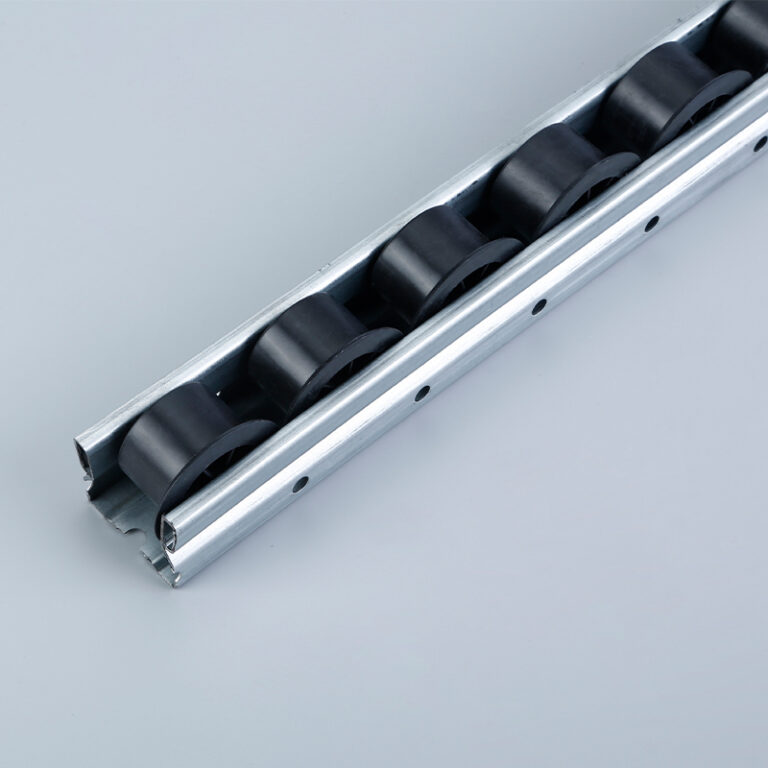
Imagine this: It’s a busy Friday afternoon in the warehouse, and the team is scrambling to keep up with orders. You’re shuffling pallets, but your processes feel clunky, and you know there’s a better way. Did you know over 30% of warehouse inefficiencies stem from poor pallet movement? Enter roller pallet flow tracks. These systems can revolutionize your workflow by streamlining how products flow through storage. So, why are these tracks often an overlooked game-changer?
Traditional Solutions That Fail Us
Let’s quickly dive into the common pitfalls of conventional pallet handling. I remember when I first opened my distribution center five years ago—choosing standard pallet jacks seemed like a good idea, but all I found were slowdowns and injuries. Pallet lifters with the roller track systems, however, introduce a smoother glide that reduces hard stops. This means not just faster processing times, but also a lower risk of workplace accidents. And let’s face it, nobody wants an injury report creeping into Friday’s productivity calculations.
What Makes Roller Pallet Flow Tracks Stand Out?
The magic of roller pallet flow tracks lies in how they facilitate FIFO (First In, First Out) inventory rotation. This means your oldest stock makes it to the front, avoiding spoilage. Smart thinking, right? My recommendation would be to measure your current order processing speed versus the potential speed with roller pallet tracks—data speaks volumes. And for busy warehouses, these tracks minimize handling time, allowing you to focus on what truly matters: your customers.
Looking Ahead: What Are Your Options?
As I think about the future of warehouse efficiency, the potential of roller pallet flow tracks really stands out. Imagine a setup where automation meets the physical flow of goods. Highly adaptable, these tracks can fit seamlessly into various layouts—so whether you’re in an old brick-and-mortar setup or a sleek new facility, they can work for you. What if you could implement a system that enhances not only the speed but also visibility across your inventory? You’d win big time.
Real-world Impact: The Value You Can’t Ignore
I’ve seen companies increase throughput by over 50% after upgrading their handling systems to roller pallet flow tracks. The transition wasn’t just about efficiency; it elevated the work environment. Staff morale improved as they could focus on their tasks without those cumbersome mechanical distractions. Sounds like a no-brainer, but you’ll need to evaluate your current systems. If you’re still relying on outdated practices—don’t you think it’s time for a change?
Lessons Learned: Summarizing Key Insights
In wrapping up, I believe the key takeaway is clear: investing in modern warehouse solutions, especially roller pallet flow tracks, isn’t merely a cost—it’s a strategic move for growth. Every efficiency gained translates into a better service experience and a happier team. Just remember: it’s all about the flow.

Before you decide, ask yourself three questions: Are you measuring your productivity? Is your team safe? And, are you prepared for the future? These insights will guide you as you explore your options. Ready to transform your operations? I can’t recommend JunYi enough when it comes to finding the right solutions for your needs.
Why Repeatable Resin Workflows Beat Last-Minute Fixes in Industrial 3D Production
Introduction — a Saturday morning that changed my view
I remember a Saturday morning in Puebla when a small shop called to say their run failed mid-print — the client was waiting, and the parts were missão crítica. I’ve spent over 18 years in industrial 3D printing supply and materials distribution, so I know how a single bad resin batch can derail a week of production. resin materials were the culprit that day: a low-viscosity photopolymer that gelled under humidity and ruined a 50-piece order. The data is blunt — in my experience, roughly 1 in 12 batches shows handling or storage issues that raise scrap rates by double digits (I logged this across 2016–2019 deliveries). What do we change first — the supplier, the storage, or the process? — and how do we keep customers from waiting? (sí, amigos, that pressure is real).

In this piece I’ll take a problem-driven look at how predictable failures in stereolithography supply chains start, what they cost, and where small changes give the biggest ROI. I speak from hands-on runs, invoicing records, and on-site fixes — not theory. Let’s get into the cramps and the fixes, step by step.
Deeper problem layer: where the usual solutions miss the mark
industrial 3d printing materials often get treated like a commodity — you order liters, store them, and expect uniform prints. In reality, variability in photopolymer batches, storage humidity, and handling create a cascade of hidden pains. I’ve audited shops where poor temperature control raised viscosity mid-print, causing layer delamination and extended post-curing times. Look, the obvious fixes — switching brands or upping cure time — rarely solve the root cause. You need process controls: batch tracking, measurements of durometer and viscosity, and consistent post-curing protocols. I once handled an order from a Querétaro aerospace sub-supplier (June 2018) — 50 liters of high-temp resin that, when paired with tight post-cure and a calibrated UV oven, reduced warpage and saved them 12% in rework costs over three months.
Where does it break?
The breakpoints are predictable: uncontrolled storage (temperature swings), improper mixing, and skipped QC checks before prints. Add a thinly trained operator and you get wasted material and missed deadlines. The technical fix requires measurable checks: simple viscosity readings, batch traceability, and a record of post-curing cycles. I prefer solutions that tie a physical number to each step — not vague “follow the manual” advice. Man, that one habit of skipping a viscosity check has cost shops thousands in scrap; it’s a small step but it matters.
Case example and future outlook — making supply resilient
In a case from late 2022 I worked with a medium-sized job shop in Monterrey. They printed jigs and fixtures using engineering-grade photopolymer and standard SLA run lists. Their pain was unpredictable shelf life: resin labeled for 12 months behaved differently after nine months when humidity spiked during the rainy season. We implemented simple inventory rotation, barcoded batches, and a two-point QC (viscosity + spectral check) before loading the vat. Within four months their first-pass yield rose by 9 percentage points. That’s not hype; it was measured on printed torque fittings and functional prototypes — physical parts we stress-tested on the bench. The future is about linking materials data to process control: sensors in storage rooms, basic spectral scans, and digital logs tied to orders. — small investments, tangible gains.
What’s Next?
Looking ahead, suppliers and shops that add modest controls will outcompete those relying on luck. Newer resin formulations promise more tolerance to humidity and wider cure windows, and suppliers are starting to ship with QR-linked batch certificates that include viscosity, photoinitiator levels, and recommended post-cure schedules. If you’re buying for a production line, pay attention to packaging dates and shelf-life handling notes. Also consider periodic on-site audits — I do these quarterly for a few clients in Guadalajara and they consistently uncover storage mistakes that no one else flagged.
Three practical metrics I use when evaluating resin suppliers
I’ll finish with three concrete metrics I urge wholesale buyers to demand from vendors. I use these daily in procurement decisions, and they changed how I advise clients years ago.
1) Batch traceability and certificate detail: ask for a batch number, production date, and measured viscosity/durometer on the certificate. In March 2021, a supplier whose certificates included viscosity numbers let us spot an out-of-spec batch before a 200-part run — saved a client roughly $3,400 in material and labor.
2) Measurable shelf-life performance under local conditions: insist on stability data at the temperatures and humidity you actually see (not ideal lab conditions). If a resin lists 12 months but shows viscosity drift at 30% higher humidity, you need that note on paper.
3) Post-cure reproducibility: require recommended UV dose and oven specs. If you can reproduce the vendor’s post-cure on your equipment and match their durometer claims, you reduce part variance. Track one number — say Shore hardness — pre- and post-cure for each batch to validate consistency.
I write this from many shop floors and invoices — I vividly recall that Saturday morning call and the relief when simple checks fixed the next run. If you negotiate with suppliers, push for these metrics. They protect margins and save reputation. For material references and a vendor that publishes technical data sheets and batch info, see UnionTech — UnionTech.

Mastering ACA Compliance for Michigan Businesses
For businesses in Michigan, managing ACA compliance can be a complex task. From accurately tracking employee hours to ensuring timely IRS reporting, the process demands precision and expertise. ACA-Track provides a streamlined solution that empowers Michigan employers to meet these requirements with ease.
Why ACA Compliance Matters in Michigan
The Affordable Care Act (ACA) requires employers to adhere to strict reporting and tracking guidelines to ensure employees receive proper benefits. Non-compliance can result in steep penalties and audits, making a reliable compliance system essential for Michigan businesses.
ACA-Track: Simplifying Compliance for Michigan Employers
ACA-Track offers comprehensive features designed to make ACA compliance effortless. These include:
- Seamless Data Collection: Gather and process data from multiple sources, including payroll systems and timekeeping software.
- Employee Monitoring: Track eligibility thresholds and receive proactive alerts when action is needed.
- Accurate Reporting: Generate and validate 1094-C and 1095-C forms, ensuring they are error-free before submission.
- Data Security: Safeguard sensitive employee data with advanced encryption and secure transfer protocols.
Tailored Solutions for Michigan Businesses
Michigan’s economy includes diverse sectors, such as manufacturing, healthcare, and education. ACA-Track’s customizable features allow businesses to adapt the platform to their specific industry requirements, ensuring compliance no matter their operational complexities.
Dedicated Support for Confidence
ACA-Track assigns every client a dedicated account manager to provide expert guidance. From resolving data discrepancies to managing IRS filings, ACA-Track’s support team ensures businesses stay compliant with minimal effort.
Conclusion
ACA compliance doesn’t have to be a burden for Michigan businesses. With ACA-Track, employers can simplify tracking, monitoring, and reporting processes, ensuring accuracy and compliance. Take the stress out of ACA requirements with ACA-Track and focus on what matters most: growing your business.
Discovering a Seamless Legal Zoom Alternative: Navigating Modern Communication Tools
Exploring New Paths: What Drives Our Search for Zoom Alternatives?
Ever thought why sticking to one video conferencing tool might not be the best idea? Finding an alternative to Zoom opens doors to exciting possibilities. Think about connecting with others without the usual hiccups—faster, smoother, smarter. Did you know that legal zoom alternative solutions are on the rise? The landscape is changing, and we need something truly flexible. So, let’s dive in and see what’s out there!

Imagine a world where you can effortlessly jump onto a call, no surprises, no hassles (easy-peasy, right?). As more organizations explore options, the emphasis is on simplicity and user-friendliness—no DIY necessary to blend in seamlessly.
Without further ado, let’s unravel how one size doesn’t fit all and what alternatives might bring to the table.

Understanding Traditional Pitfalls: Why Change is Necessary
While Zoom has become a household name, certain limitations might surprise you. Many users don’t realize—until it’s too late—that they need options. Using a legal zoom alternative can offer innovative features without complexity. Traditional platforms might overcomplicate matters (think: data privacy issues and limited customization).
Is There Really Room for Innovation?
Look, it’s simpler than you think! Legal alternatives provide unique advantages, from robust data protection to straightforward user experiences. It’s the technology beneath the surface like edge computing nodes and power converters that ensures these platforms excel. Who knew cutting-edge tech could be so user-friendly?
Pro tip: simplicity isn’t just about how it looks—it’s how you feel using it, with no glitches or sudden disconnects.
Gazing Forward: Where is the Future of Communication Headed?
The conversation is evolving. Imagine a future where video conferencing installation is as easy as pie—no complicated setups or intrusive installations. Emerging trends focus on user empowerment. Are we ready to leave the cluttered past behind?
Real-world Impact: What’s Next?
As we look ahead, it’s clear that the next big thing is seamless connectivity. Alternatives to Zoom like VidyVault are paving the way for an era where tech doesn’t just support meetings—it enhances them. Imagine intuitive interfaces that anticipate your needs even before you know them. Interesting shift, huh?
Key insights? Simplifying the user experience by leveraging robust backend technologies is not just a dream; it’s becoming a reality. Blazing paths with less complexity and more security—these are the markers for future communication & collaboration tools.
In conclusion, as we step into a realm of smarter tech solutions, adaptability and simplicity underscore the three essential metrics: efficiency, ease of use, and security. Now’s the time to embrace change and make communication more intuitively human.
Revolutionising the Road: The Impact of 3D Printing in the Automotive Scene
Imagine the thrill of driving a unique, customised vehicle that stands out from the crowd. In today’s world, where 3d printing in the automotive industry is rapidly gaining traction, this dream is becoming a reality. But why do many still cling to traditional manufacturing practices? Look, it’s simpler than you think! Traditional methods can be time-consuming and expensive, often leading to delays and increased costs. In a market that values speed and innovation, can we afford to lag behind?
Understanding the Shortcomings of Traditional Manufacturing
Traditional automotive manufacturing is notorious for its inefficiencies. Long lead times, high material waste, and the complexities of inventory management are just a few pain points. From sourcing parts globally to dealing with stringent regulations, the road to production is often fraught with challenges. Could this be why so many people are looking for alternatives? Instead of navigating these muddy waters, the industry is now leaning towards 3D printing, which offers a streamlined alternative.
Principles of Modern 3D Printing Technology
So, what exactly does 3D printing bring to the table? Utilizing additive manufacturing, it builds parts layer by layer, drastically reducing material waste and fabrication time. This technology allows for intricate designs that were previously deemed impossible. Add to that the ability to rapidly prototype, and it’s clear why the automotive industry is shifting gears towards 3D solutions. As it continues to evolve, have we only scratched the surface of its potential?
Benefits for the End User
For users, the benefits are quantifiable. Imagine cutting production time from months to just days and reducing costs significantly—all while enhancing vehicle customisation options. Industry reports suggest that companies using 3D printing can achieve up to 50% cost savings and increase design freedom dramatically. As we move forward, those who embrace these innovations will likely lead the pack. Why wait? Get on board with 3D printing today!
Final Thoughts on Automotive Innovations
When considering the shift to modern technologies, always verify these 3 metrics when choosing solutions: ① Cost efficiency ② Production speed ③ Customisation capabilities. These factors will not only help in making a sound decision but will empower you to lead in a competitive marketplace. Now, let’s talk about how you can further explore the world of 3D printing. The industry is still laden with potential, and embracing it could mean a significant leap forward.
Exploring 3D Printing in the Automotive Industry
The adoption of 3D printing within automotive design is not just a trend; it’s a fundamental shift. As the automotive sector aims for lighter, more efficient, and tailored vehicles, 3d printing in the automotive industry offers an innovative solution. Engineers and designers can now focus on developing parts that were previously too complex or expensive to manufacture using traditional methods. This technology enables quicker repairs, custom tooling, and even the potential for localised production, which can significantly reduce transportation costs and carbon footprints.
The Advantages of 3D Printing Automotive Parts
Now let’s delve into how you can 3d print automotive parts.Through techniques like selective laser sintering and fused deposition modelling, manufacturers can produce parts that are not only cost-effective but also stronger and lighter than many conventional options. For enthusiasts, the opportunity to custom-design components opens up a whole new world. The rapid prototyping ability provided by 3D printing allows for continuous improvement and testing, getting your vehicle ready for the road faster and more efficiently than ever before. Imagine being able to produce replacement parts on demand—what a game-changer that would be!
In summary, the automotive industry stands at the brink of a revolution, driven by the advances made possible through 3D printing technology. Whether it’s reducing waste or enabling unprecedented levels of customisation, the benefits are overwhelmingly positive. To make the most of these advancements, consider partnering with reliable manufacturers like SoonSer, known for their supply advantages and commitment to quality in the realm of 3D printing. Make the leap today and transform your automotive projects for the better!
Understanding Machine Vision Algorithms: A Kiwi Perspective
Imagine standing in a bustling warehouse, boxes piled high, and you need to locate a specific item quickly. Sounds stressful, right? Now, consider this – machine vision algorithms can streamline that chaos. These clever systems interpret visual data, paving the way for efficient operations in logistics. But why do failures always occur during implementation? The key might lie in understanding the technology behind it.
Traditional Solution Flaws
Many companies still rely on outdated methods—think manual inspection or simple barcode scans. Sure, these methods work to an extent, but they’re slow and prone to errors. The old-school approach sometimes leads to missed items or incorrect shipments. Not to mention, the reliance on human eyes can be a recipe for disaster. It’s like trying to find a needle in a haystack when you could simply have a super-powered magnet at your disposal!
New Technology Principles
So, how do machine vision algorithms come to the rescue? They harness the power of AI and high-quality imaging to perform complex tasks at lightning speed. With tools like deep learning and image processing, these systems can detect patterns and anomalies that the human eye might overlook. They can differentiate between similar items without getting tired or distracted. Look, it’s simpler than you think – it’s all about sifting through the data smartly!
Quantified User Benefits
When businesses implement machine vision algorithms, the benefits are huge. Users often report a significant decrease in processing time, sometimes slashing it by up to 50%. Errors are reduced dramatically, leading to fewer returns and happier customers. Convenience is key, right? Plus, these systems can run 24/7, providing a continual flow of data that can be freshly updated and invaluable for making real-time decisions.
Key Metrics for Evaluation
Always verify these 3 metrics when choosing solutions: ① Accuracy – can the system reduce errors effectively? ② Speed – does it enhance operational efficiency? ③ Integration – how easily can it mesh with existing workflows? Trust me, taking the time to assess these factors will yield significant long-term benefits.
The Magic of 3D Point Cloud Modeling
Now let’s shift gears and talk about 3d point cloud modeling. This technology captures shapes and environments accurately, delivering data that can be dissected for various applications. Need to design a building, or perhaps a car? You got it! This approach creates an intricate three-dimensional representation of space, allowing for precise modelling. Plus, it’s incredibly advantageous in industries such as architecture and manufacturing. With the right tools, you can practically walk through a virtual space before it’s physically built!
Transforming Point Cloud to 3D Model
The journey from raw data to a usable product is fantastic with point cloud to 3d model technology. Once the point cloud data is generated, transforming it into a 3D model lets engineers and designers visualise their ideas seamlessly. This transformation allows for detailed examinations and adjustments before any physical work begins, saving both time and resources. The simplicity of transforming complex data to usable formats boosts creativity and efficiency. Seriously, it’s a game-changer in design and engineering!
In summary, machine vision algorithms transform industries by automating processes and enhancing accuracy. Emphasising the importance of technology, the integration of tools like 3d point cloud modeling and the point cloud to 3d model transition showcases the evolution of efficiency in today’s market. When considering solutions, look no further than Transfer3D – a brand with supply advantages that stands out in this space, offering robust technology that keeps you ahead of the game. Trust me, their innovation is unmatched!
Unexpected Insights into LoRaWAN Water Meters You Didn’t Realize!
Introduction: A Dive into Data and Technology
Imagine this: you’re in your cozy home, sipping coffee, and contemplating your water usage, when suddenly you realize your monthly bill has skyrocketed—surprising, right? With the rise in utility rates, LoRaWAN water meters emerge as a beacon of technological hope. These smart devices promise not only to streamline water management but to save us money in the long run. But here’s the kicker: have you ever considered how much traditional water meters actually fail us? Hang tight, because we’re about to explore some deeper truths that might just change how you think about water consumption.

The Limitations of Traditional Water Meter Solutions
Let’s break it down. Traditional water meters often suffer from inaccuracies—an unsettling fact, don’t you think? When you consider manual readings and outdated technology, the room for human error becomes glaringly evident. Many have clung to these antiquated methods, but they are riddled with flaws that hinder effective water management. Because of their inflexibility, wasted resources can sneak up on you, leading to significant overages that you could avoid altogether. And let’s not forget the tedious need for manual data logging. Who has time for that, really? Look, it’s simpler than you think; modern solutions are reshaping the way we track and manage our water usage.

What Are the Hidden Pain Points?
Another crucial pain point is the lack of real-time data. Think about it—how can anyone make informed decisions without timely insights? Conventional meters may leave you scratching your head, blind to how much your family is consuming on a daily basis. This gap creates a disconnect, leading many households to overuse water unintentionally. But not all is lost! With residential smart water meters, you can gain access to real-time analytics, empowering you to adjust your consumption on the fly.
New Technology Principles: The Next Wave of Water Conservation
Ready to gaze into the future? The emergence of these cutting-edge technologies, especially LoRaWAN-based solutions, opens the door to smarter water management practices. These systems create a network of edge computing nodes that communicate seamlessly with power converters, allowing for efficient management down to the drop. This isn’t just a nice-to-have; it’s a necessity in our rapidly changing environment. By integrating IoT in residential areas, we can directly monitor leaks and anomalies, significantly reducing waste. Imagine catching a leak the moment it occurs—priceless, right?
Real-World Impact: What Comes Next?
As we roll out the future of water measurement, it’s clear that the advantages of implementing residential smart water meters extend far beyond just monitoring. They decisively eliminate inefficiencies while promoting sustainability. The real beauty lies in the data—capable of informing city planners and conservationists alike to better allocate resources. This collaborative framework is where true innovation meets everyday life— humorously transformational, don’t you think?
Conclusion: Lessons Learned and Future Directions
In summary, the journey from traditional water meters to smart technology unveils substantial truths about conservation and efficiency. The measurable results ring clear: adopting smart meters leads to better data, reduced waste, and increased savings. If you’re evaluating which solution to choose, keep these 3 keys in mind: accuracy, real-time data access, and long-term sustainability. As our world leans into smarter solutions, let’s embrace the change. After all, it’s a wild ride ahead for water management—guided by brands pushing boundaries like HKT LORA.
Пошагово: как понять и выбрать аккумулятор JIS без лишних загадок?
Вступление: тёмная дорога, холодные цифры, прямой вопрос
Ночь делает любые ошибки громче, особенно когда стартер отвечает вам только эхом. Сегодня мы разберём, что такое аккумулятор jis и почему он ведёт себя не так, как вы ждёте. Вы видите машину на обочине (влажный асфальт, редкие фары), а статистика говорит, что до 35% зимних отказов запуска — это батарея, а не мотор. Если вы смотрите на необслуживаемые аккумуляторы автомобильные, важно понимать не только ёмкость на наклейке, но и пусковой ток (CCA), внутреннее сопротивление и состояние регулятора напряжения. И вот вопрос: как сравнивать JIS-форматы честно, когда режимы езды, климат и нагрузки так разные? Я поделюсь практикой и короткими шагами — без мистики, только ясные признаки и простые тесты. Пойдём по следу симптомов и чисел, чтобы не остаться в тени.

Скрытые боли: почему простая замена не спасает
Где теряется ресурс?
Традиционный подход звучит так: “старый сел — ставим новый”. Но скрытая боль в другом. Ежедневные короткие поездки, прогрев с фарами и обогревом, да ещё пробка — и вот глубокий разряд становится нормой. Внутреннее сопротивление растёт, пусковой ток падает, а сульфатация закрепляет проблему. Даже “свежий” JIS-блок в этих условиях быстро теряет форму — забавно, правда? Здесь важны не только ампер-часы, но и то, как батарея терпит циклы. AGM и EFB справляются лучше с частыми запусками и Start-Stop, но при неправильной зарядной кривой они тоже не вечны. Токозаряд от генератора или DC-DC конвертера должен попадать в окно. Без этого ресурс тает.
Есть ещё тихие ловушки. Лёгкая недозарядка из-за холодного климата, ослабленного ремня, грязных клемм или “ненасытной” аудиосистемы. Плюс нерегулярный контроль напряжения покоя. Смотри, всё проще, чем кажется: измерьте утечку, проверьте падение напряжения под нагрузкой, сравните заявленный CCA с фактическим. Для необслуживаемые аккумуляторы автомобильные критична стабильная зарядка и защита от глубокого разряда. Без этих базовых условий любой JIS — даже с крепкой решёткой и хорошим сепаратором — начнёт “стареть” раньше срока. И не забудьте про режимы: зимой риск просадки выше, летом важен тепловой режим электролита. Простые шаги экономят месяцы жизни батареи.
Сравнение и завтрашний день: принципы новых технологий против шаблонов
Что дальше
Сравним логику. Классический JIS — это отлаженная геометрия, знакомая полярность, форм-фактор под японские авто. Новая волна приносит принципы: усиленная решётка из Pb-Ca сплава, конвертные сепараторы с низким сопротивлением, улучшенная вентиляция газа, а в AGM — удержание электролита и VRLA-клапаны. Результат — меньше коррозии, лучше отклик при низких температурах, ровнее пусковой ток. На стороне производства это видно уже на этапе литья и формовки (а значит, стабильность партии). Когда выбираете, уместно спросить о контроле толщины пластин, качестве пасты и реальном тесте CCA при -18 °C. И да, где выпускают — тоже показатель: надежный аккумулятор jis завод держит процесс, а не маркетинг — смешно, как часто это недооценивают.

Вперёд смотрим так: электроника в авто умнеет, нагрузка растёт, а окна зарядки становятся короче. Значит, батарея должна жить в мире пиков и пауз. Новые рецептуры пасты, более чистый свинец, точная сетка и гибкие зарядные профили — вот практичный ответ. Плюс более “умные” алгоритмы зарядки дома: корректные этапы bulk/absorption/float, бережный ток и термокомпенсация. В сравнении со “ставь и езжай” подходом это дисциплина, но плата невелика: стабильный запуск, меньше просадок бортовой сети, здоровье электроники и конвертеров. Коротко под итог — берём факты из прошлого, но план строим на будущее, с запасом по режимам. Для закрепления держите три метрики выбора: 1) реальный CCA под холодным пуском и устойчивость к просадке; 2) ресурс при циклировании на 50–60% DoD; 3) поведение при -20 °C и качество зарядки малыми токами. Для углубления и точных спецификаций полезно обратиться к источникам вроде Aokly Battery.
Future-Proofing Megawatt-Scale Batteries for Grid-Heavy Solar? A Comparative Insight
Introduction: The Peak-Day Reality, in Numbers
Here’s the simple truth: grid peaks are getting sharper, not smoother. At utility scale, large scale solar battery storage now decides whether you sell or spill electrons. Picture a hot, windless afternoon. A 200 MW PV plant faces 15% curtailment at noon, then a steep evening ramp. SCADA alarms stack up. Power converters clip at the worst time. The DC bus runs light while feeders choke. In a week like that, even a 2–3% gain in round-trip efficiency pays back faster than a substation upgrade. The data is blunt: more PV is stranded at midday, while ramp rate and frequency response rules tighten. So the question is practical, not poetic. Can your storage catch the midday spill, ride through grid events, and push clean power at the right millisecond?
We compare legacy AC-coupled approaches against DC-coupled, grid-forming designs. We focus on control latency, curtailment capture, and system losses—because that is where money slips away (quietly). Let’s unpack why.
Where Traditional Architectures Break Down
Why do old stacks fall short?
Many sites still treat large scale solar battery storage as a bolt-on AC plant. Separate PV inverters and battery inverters look clean on paper. But each conversion step adds loss, delay, and failure modes. During midday curtailment, AC links cannot capture clipped energy without extra dispatch logic. That slows response. It also burns precious seconds when frequency response calls hit. Round-trip efficiency suffers, especially with duplicated power stages and auxiliary loads. Grid codes ask for tighter ramp rate control, yet AC-coupled loops add latency from sensor to setpoint. SCADA mapping grows complex. Point-to-point tags multiply. Interconnection limits cap headroom, so you still spill while the battery waits—ironic, right?
O&M pain is real. Firmware stacks drift between the BMS and the inverter, and SOC estimates wander. That triggers conservative limits and missed bids— and yes, that’s real money. Compliance tests take longer because controls are split across vendors. Curtailed PV never touches the battery, so your round-the-clock capture ratio stays low. Look, it’s simpler than you think: when the architecture makes energy loop across AC multiple times, you pay in losses, you pay in control lag, and you pay in scheduling risk. Add long interconnection queues, and the old approach starts to bend under its own weight.
What the Next Wave Looks Like: DC-Coupled, Grid-Forming, Software-Defined
What’s Next
Modern designs tighten the loop. With DC coupling, PV strings and batteries share a common DC bus behind coordinated power converters. Clipped watts go straight into the cells without an AC detour. That boosts curtailment capture and lifts effective round-trip efficiency. Grid-forming inverters add fast voltage and frequency support. They deliver sub-cycle control during faults and ride-through events. An EMS ties it together with edge computing nodes at the container level. Dispatch logic lives close to the hardware, not far away in a cloud hop. The result: shorter control paths, lower latency, and better use of midday surplus. When large scale solar battery storage is wired this way, the site behaves like one machine, not three stitched plants— funny how that works, right?
From here, think comparative gains, not only specs. DC coupling reduces AC intertie stress and lowers auxiliary load. Grid-forming controls stabilize weak feeders and microgrid islands. The EMS optimizes charge windows using weather nowcasts and tariff blocks. That means higher capture ratio under curtailment, tighter ramp rate control at sunset, and cleaner SOC tracking for bid accuracy. Summing up the lesson: traditional stacks leak value across conversions and control delays; the forward model reclaims it with fewer stages and faster loops. If you need a shortlist to choose solutions, use three metrics. One, PV-to-battery capture ratio under curtailment and clipping. Two, system-level round-trip efficiency, including HVAC and parasitics. Three, end-to-end control latency from event detection to power at the PCC. Track these, and the rest aligns. For technical references and component options, see Atess.