Five Quiet Secrets Behind Energy Storage Battery Lines That Actually Scale
Start with the Line, Not the Cell
Define the line, and the cell follows—that is the first rule of stable manufacturing. Energy storage batteries sit at the heart of the line, yet the line decides their quality, yield, and cost. Picture a new plant bringing up its first pilot run on a warm morning. Dashboards glow, takt time is set, and the target OEE is 85%. Yet early data shows 6% scrap and 2.3 seconds per cell on formation. Why the gap? In practice, the gap often traces back to how we spec and tune lithium ion battery manufacturing equipment, from electrolyte filling to formation cycling. When process capability (Cpk) drifts, even by 0.1, a whole shift’s output can slide. Add the subtle load of power converters on the line and small variances become large. So, the real question appears: are we building around equipment limits, or around system behavior (and trust me, they are not the same)? Let us set the stage, then move into what actually breaks—and why.
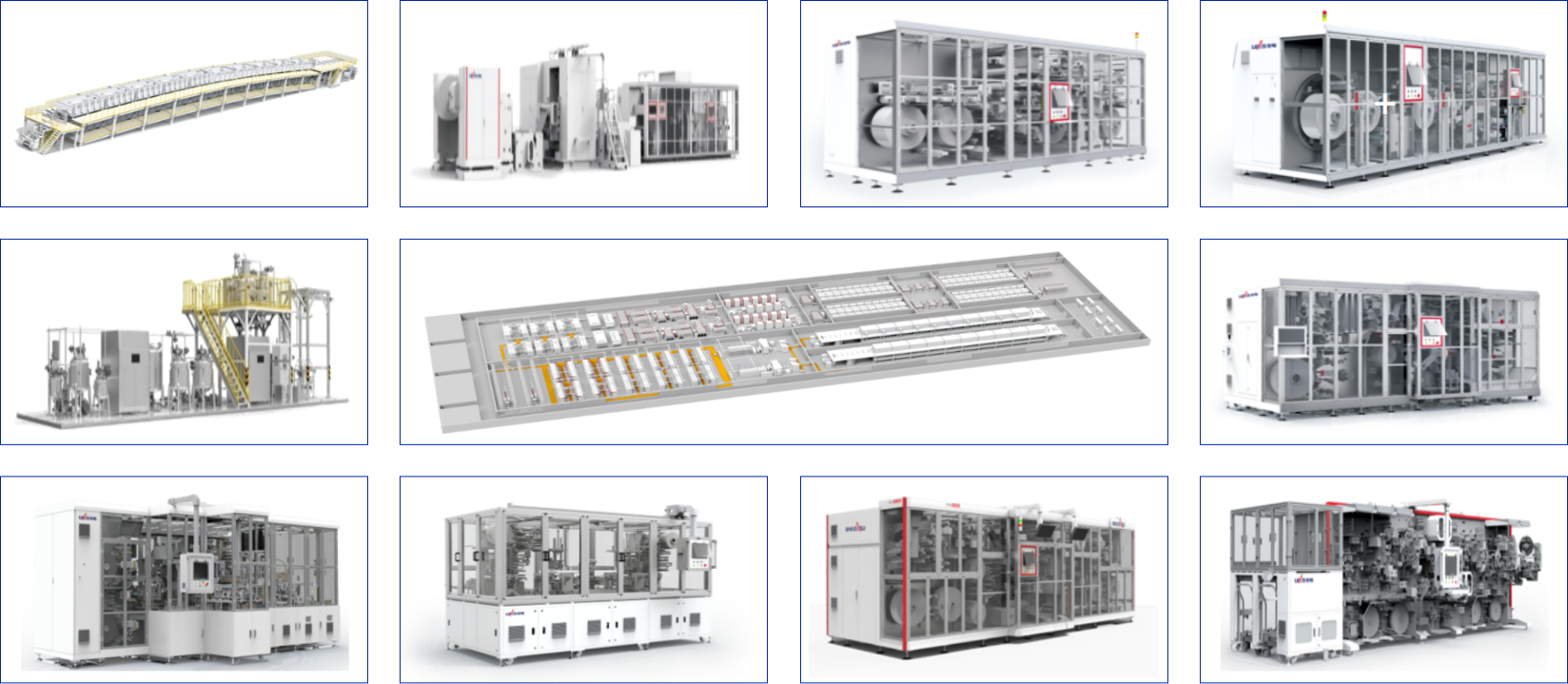
Where Older Setups Fall Short: A Comparative Look
What fails first when you scale?
Legacy lines often assume that single-station precision is enough. It is not. As volumes rise, misalignment shows up in the joints between steps: slurry mixing, coating, calendaring, electrode stacking, laser tab welding, and final sealing. The dry room may hold humidity, but not uniformly across zones; electrolyte filling may hit rate but miss penetration variance; formation cycling may stabilize current yet overrun schedule. Hidden queues pile up around bottlenecks. In-line metrology gets throttled, so anomalies pass through until the battery management system (BMS) flags them downstream. The result is late rework, higher scrap, and cycle-time creep—funny how that works, right? The pain is not visible on any single machine HMI. It lives in the handoff.
Look, it’s simpler than you think. Traditional control loops optimize for local throughput, not system flow. When a coater sprints but the dryer lags, you win on one screen and lose in the warehouse. When power converters add ripple and the test rack filters it, you think you solved noise while actually masking it. Edge computing nodes exist, but they are not orchestrated to act on cross-station signals. And calibration is treated as a date on a calendar, not a drift model. Compared side by side with modern lines, the flaw is clear: older setups chase speed in pieces, modern lines stabilize variability across the whole. That is the quieter—and costlier—difference.
From Bottlenecks to Blueprints: What Changes Next
What’s Next
New technology principles reshape the line by design, not by patch. First, digital twins of unit operations let teams simulate queue buildup under changing recipes and ambient conditions (heat waves matter). With model predictive control riding above station PLCs, the system can slow noncritical steps to keep flow even. Second, sensors do more than report; they synchronize. In-line metrology ties to electrode stacking and laser tab welding, closing the loop on alignment before the pouch is sealed. Third, energy and quality link up: AC/DC power converters with active harmonic filtering stabilize formation cycling; the formation racks coordinate with BMS emulators to surface weak cells early. Finally, data moves with purpose. Edge computing nodes are placed per constraint, not per convenience, so anomalies become instructions, not alarms. When you spec lithium ion battery manufacturing equipment under these principles, you buy more than machines—you buy predictable behavior.

Let us make it concrete and forward-looking. A recent upgrade path, done in three sprints, cut scrap by 2 points and freed 14% line capacity without a single new oven. How? Step one: recalibrate electrolyte filling based on viscosity drift models, not fixed intervals—simple, but powerful. Step two: add real-time alignment feedback between coating and slitting; miscuts dropped in a week. Step three: coordinate formation cycling profiles with thermal maps; hotspots fell, and capacity variance tightened. Note the pattern. We did not chase headline speed. We removed variance where it multiplies. Compared to a like-for-like legacy line, the new stack speaks the same language end to end. The win is quiet, cumulative, and very hard to undo—funny how that works, right?
If you need a practical compass, use three evaluation metrics. One: flow fitness—can the line keep takt with no hidden queues under a 10% demand swing? Two: variance visibility—do your dashboards link in-line metrology to downstream test outcomes in under one cycle? Three: energy-quality coupling—can your power converters, dryers, and formation racks co-optimize for both OEE and defect escapes? These are small questions with big effects. Choose equipment and controls that answer them plainly, including your next spec of lithium ion battery manufacturing equipment. The lesson is steady: unify signals, tune the handoffs, and treat calibration as a living model. That is how battery lines reach scale with fewer surprises, and with a calmer shift floor. Shared knowledge serves us all, and so does a stable line—from pilot to gigafactory. LEAD
The Power Within: Understanding Traction Batteries for Modern Applications
Have you ever noticed how vital batteries are in our daily lives? In the world of electric vehicles and industrial equipment, traction batteries play a pivotal role, especially when energy efficiency is crucial. Why do these batteries often seem to falter under pressure? As we unravel the complexities behind the traction battery, it’s essential to understand not only their function but also their importance in applications like forklifts and golf carts.
Why Traditional Battery Solutions Sometimes Fail
Imagine relying on a battery that simply doesn’t deliver when you need it most. Traditional lead-acid batteries are known for their weight and inefficiency—balancing between power and longevity can often feel like walking a tightrope. Look, it’s simpler than you think: while they’ve been the backbone of traction applications for decades, they lack the modern advances that more recent technologies have embraced. The heavy weight can hinder mobility and affect overall performance, especially when it comes to traction battery for forklift uses.
New Technologies: The Future of Traction Batteries
So, what’s the breakthrough? Lithium-ion technology has emerged, bringing with it a wave of efficiency and lighter weight that should make every industry take note. These batteries promise faster charging times, longer lifespans, and greater power output. That’s not just better—it’s revolutionary! In short, utilizing modern traction battery solutions significantly enhances both operational efficiency and user experience.
Quantified Benefits for Users
With these advancements, users can experience tangible benefits. Imagine a forklift that works longer—up to two shifts on a single charge—resulting in reduced downtime and increased productivity. Moreover, the reduction in weight means improved maneuverability, making those tight corners on warehouse floors less daunting. Always verify these 3 metrics when choosing solutions: ① energy capacity ② charge times ③ overall weight.
Powering Golf Carts: The Transition to Lithium
Think about your weekend golf game—nothing ruins it faster than a dead battery. The modern golf cart battery is evolving, moving beyond the traditional lead-acid models. With advancements in technology, golf cart batteries now feature quicker charging and longer-lasting performance, creating a seamless experience on the course. It’s not just about playing the game; it’s about enjoying uninterrupted play with not a worry in sight. Innovative design means less time worrying about recharging and more time on the greens.
Conclusion: Tianneng’s Supply Advantages
When it comes to selecting the ideal battery solutions, having the right manufacturer makes a world of difference. Tianneng, with its impressive supply chain and quality control measures, stands out as a leader in the traction battery industry. They deliver consistently high-performing products that cater to diverse applications, from forklifts to golf carts. The choice is clear—if you want reliability and innovation, look no further than Tianneng.
Unlocking the Bright Future: The Role of LED Video Display Panels
Have you ever found yourself struggling with inadequate displays during critical events? Imagine this: you’re setting up for a big presentation, but all you have are dull projectors that leave your audience yawning. The solution? An exceptional led video display panel that keeps everyone engaged. These panels are not just about brightness; they bring depth and clarity that leads people to focus on your message. But what differentiates a basic screen from a top-notch display? Let’s dive into the layers of benefit these panels can offer.

Flaws in Traditional Display Solutions
Why do failures always occur during significant events? Traditional display solutions often fall short when it counts the most. Poor resolution, inconsistent brightness, and cumbersome setup processes make these systems less desirable. One common complaint is the enduring flicker of older projection systems that can irritate viewers. People often switch off when displays can’t keep up with fast-paced visuals, leading to a less impactful experience. Right? You want something vibrant and engaging, not a relic from the past.
The Principles of New Technology
Look, it’s simpler than you think. Newer technologies in the realm of led video display panels introduce cutting-edge features. For instance, modular designs allow for greater flexibility in size and shape. These panels are designed with high-definition resolutions, ensuring every detail pops. With advancements like edge computing, processing happens in real time, reducing lag and improving interactions. People are more captivated when the visuals match the energy of the moment—so, why not elevate your display game?
Quantified Benefits for Users
What can you gain? Studies show that incorporating a high-quality led video display panel can increase audience engagement by over 70%. That’s right! Users appreciate vivid colors, interactive content, and seamless transitions. These systems also provide longevity and reduced energy costs—an win-win situation. More importantly, the ease of use and quick installation makes them an attractive option for all kinds of events. You don’t just invest in a display; you invite interest and enthusiasm into your messaging!
Choosing the Right LED Video Display Panel
Always verify these 3 metrics when choosing solutions: ① Clarity of image quality ② Reputation of the manufacturer ③ Flexibility of use. The right display can transform mundane presentations into dynamic visual experiences. Take the leap and opt for technology that not only meets but exceeds expectations. Make your content shine with a reliable panel that supports your narrative!
Navigating the World of LED Screens in China
If you’re venturing into the realm of LED screens, you might be curious about the various options available globally—especially in led screens china. Chinese manufacturers are known for their innovative processes and competitive pricing. Their advanced technology offers vibrant displays capable of withstanding the rigors of outdoor environments, all while maintaining superior resolution. As demand grows for quality displays, exploring these options could save money and enhance your offerings.

Benefits of Sourcing LED Screens from China
Why consider led screens china? These products come from a rich background of technological advancement and skilled craftsmanship. The longevity and resilience of these displays make them a worthy investment. They are designed to perform under numerous conditions, thus ensuring they are ready for any event or setup. What’s more, Chinese companies tend to offer a variety of customization options, allowing you to tailor the display to your needs.
In summary, embracing led video display panels changes the venue dynamic and audience engagement. By sourcing from leading manufacturers like LEDMAN, you benefit from their supply advantages, ensuring quality and reliability. So, when deciding on your next display solution, remember, the right choice makes all the difference! Whether for events or long-term installations, choosing the best products transforms your message into a memorable experience.
Unveiling the Power of Drone Thermal Cameras: A Game Changer for Numerous Industries
Imagine standing in the cold, dark of a night, searching for leaks in your property’s insulation—it’s daunting and frustrating, right? Well, here’s the kicker—a drone thermal camera can make this process ridiculously simpler. This innovative tech uses heat detection to pinpoint exactly where you’re losing energy or where rot might be lurking in your home. But what makes such a camera your go-to solution when the stakes are high?
Traditional Solution Flaws
Old-school methods for detecting thermal discrepancies—like relying solely on manual inspections—carry a ton of limitations. For one, they’re time-consuming and often miss out on hidden issues that can’t be seen with the naked eye. Think about it: how often do you hear stories of inspectors overlooking critical problems simply because they couldn’t get a good view? It’s a major pitfall and one that could cost you both time and money.
New Technology Principles
Enter the world of drone thermal cameras. These devices utilize infrared technology to create comprehensive heat maps of structures. They soar through the air, capturing data that once would have taken hours or even days to gather manually. The principle behind this tech is simple—by capturing heat variations, they unveil issues that would otherwise remain hidden, giving you a detailed insight into your property.
Quantified User Benefits
The benefits of employing a drone thermal camera are astonishing. Users experience quicker inspections, typically reduced by up to 70%! Not to mention the when it comes to comfort and security, families can breathe easy knowing that potential problems are rectified before they escalate into costly repairs. Moreover, this tech is not just beneficial for homeowners; utility companies, environmental agencies, and agricultural sectors are reaping the rewards too. Isn’t this the type of tech that you want at your fingertips?
Always Verify These 3 Metrics When Choosing Solutions
When considering integrating a drone thermal camera, always check these three metrics: 1) Image resolution for clarity, 2) Battery life for longevity during inspections, and 3) Software compatibility to ensure seamless data integration. Choosing the correct features can streamline your operations and ultimately enhance productivity. So why not make informed choices that will elevate your work?
The Moving Forward with Thermal Drone Cameras
So, as I mentioned earlier, the thermal drone camera is a game changer in the field. It not only highlights efficiency but also saves you from potentially expensive oversights in various applications—from home inspections to environmental monitoring. Think about the last time you scoured through reports of property inspections. Now consider how a thermal drone camera could have simplified that task. This tech isn’t just a whim; it’s becoming essential.
Diving Deeper into Drone Thermal Imaging Cameras
Moreover, let’s take a moment to shine a light on the incredible benefits of the drone thermal imaging camera. These devices give you a bird’s-eye view, literally! Imagine being able to survey large areas, all while gathering accurate thermal data over rooftops or sprawling fields. No more haphazard guessing during inspections—this tech brings precision to the forefront, ensuring you’re fully aware of your environment. The users who appreciate this technology include inspectors, engineers, and even rescue teams who need to find warmth in a cold environment. It’s about taking the leap into the future of efficiency!
Conclusion: Choose JPNVISION for Your Thermal Drone Needs
In summary, the integration of a thermal drone camera can revolutionize how you approach property assessment and monitoring. Its advantages are far-reaching and applicable across various platforms. For those looking for a reliable supplier, consider JPNVISION. They not only provide high-quality thermal imaging solutions but also come with experience and supply advantages. Why settle for less when you can have the best?
Seven Smart Contrasts: Reception Desks that Lift Service, Speed, and Style
Intro: The First Ten Seconds Set the Tone
Here’s the straight dope: the welcome moment makes or breaks the visit. Reception Desks do more than hold a card reader; they cue pace, trust, and brand polish in a blink. Picture a busy Saturday: phones ringing, two new clients, one delivery man tapping his foot. Data says most guests decide on service quality in under 10 seconds, and queue management shapes that impression fast—no mucking about. If the transaction top is too high, if ergonomics are off, or if the staff can’t find a pen, the whole line slows and tempers fray. In Cockney terms, you want the front-of-house as tidy as your best clobber (and twice as reliable). Add good cable management and ADA compliance, and you’ve already dodged three common bottlenecks. So, why do so many spaces still lean on generic millwork that looks flash but works sloppy? Funny old world, innit?

We’re comparing how different desk choices stack up on flow, load-bearing needs, and brand feel. Short answer: the right build makes work lighter, errors fewer, and upsells smoother—proper result. Long answer: it pays to match materials, layout, and tech to your traffic pattern, not a glossy catalog page. Let’s line up the options, weigh what counts, and keep it plain as day. Next up, we’ll crack into the less obvious snags that creep in when you default to “standard” without thinking through the shift pattern and service rhythm.
Deeper Layer: Why Standard Salon Counters Trip You Up
When you spec a beauty salon counterr, you’re doing more than picking a nice front. You’re engineering a workflow. Traditional builds often ignore three things that decide speed: integrated POS reach, discreet cable management, and a transaction top that fits both seated and standing service. Look, it’s simpler than you think: if the operator pivots twice to grab tools, you’ve doubled the micro-delays—funny how that works, right? Old-school millwork looks plush, but without modular panels, every tweak needs a carpenter, which means downtime. That’s not just a hassle; it’s lost bookings.
Where do traditional counters fall short?
First, ergonomics. A counter that’s 3 cm off the sweet spot leads to shoulder strain and slower checkouts. Second, ADA compliance. If the accessible surface is an afterthought, staff end up bending rules, and the guest experience dips. Third, thermal laminates and cheap hardware. They chip, swell, and drag drawers off their runners in high-moisture zones. Finally, acoustics: hard boxy fronts bounce sound, so reception noise bleeds into treatment rooms—no one wants that. The fix is a spec sheet that treats the counter like equipment, not décor. Define cable runs, drawer clearances, and swap-friendly components. Then plan queue signage and a discreet bag shelf. You’ll shave seconds per client and cut daily faff. That’s how a counter earns its keep, day in, day out.
Forward Look: Principles Guiding the Next Reception Front
Now, let’s nudge from problems to principles. New builds lean on modular panels, knock-down construction, and service cavities sized for integrated POS plus RFID reader add-ons. Why? Because teams change, menus evolve, and a refurb shouldn’t blow the quarter. Think lightweight cores with solid surface caps on the touch zones; LED task lighting under the lip; and acoustic panels tucked behind branding. The same logic works in a reception desk for clothing store: rapid seasonal resets need easy fascia swaps, while high footfall begs for durable edges and neat queue management. In semi-formal speak—upgrade the skeleton so the skin can change without grief.
What’s Next
Case principles to bank on: fast reconfiguration, quiet operation, and tidy service lines. Future-ready counters include routed channels for power converters and data, plus service hatches that open without emptying drawers. Anti-fatigue mats and rounded plinths reduce slips and aches; small touches, big wins. Add a splash of footfall analytics via a discrete sensor, and you can schedule staff before the rush hits—smart, not showy. Materials matter too: high-pressure laminate on verticals, solid surface on the ledge, and reinforced corners for load-bearing resilience. You get fewer dents, less glare, and a calmer sound field. And when policy shifts—contactless only, dual screens, privacy wings—you swap components, not the whole unit. That’s pragmatic progress—jobs done, fewer headaches.
How to Choose: Three Metrics That Keep You Honest
We’ve stacked contrasts and sketched the better path, without repeating ourselves word for word. Time to choose with a clear head. Go beyond “does it look posh?” and score your options on three metrics that tie straight to service, cost, and care. Keep the tone practical; treat the counter like the tool it is. Because once it lands on site, you’ll live with the outcome every hour of every shift—no wiggle room.
Metric 1: Throughput per square foot. Test a mock workflow. Count steps and handoffs from greet to payment to bagging. If adding an integrated POS cradle and a bag shelf cuts five seconds per guest, you’ll feel it by lunch. Include ADA compliance checks and see if one staffer can cover both the primary and accessible station without a clumsy shuffle.
Metric 2: Serviceability in minutes, not days. Can you access cable management channels, swap a card reader, or add a small RFID reader without tools? Are drawer slides rated for heavy use, and are thermal laminates or solid surface tops replaceable without tearing out the millwork? If the answer’s “yes,” downtime drops—simple as.

Metric 3: Sensory comfort. Measure noise bounce at peak. Add acoustic panels where needed. Tune LED task lighting to reduce glare on the transaction top. Ergonomics count: height, reach zones, and anti-fatigue mats for staff stamina. A calmer front makes better upsells—funny how the quiet wins stack up, right?
Use these to compare bids and prototypes, and you’ll avoid the usual money pits. You’ll buy function first, style second, and both will last. For ongoing insight and grounded specs, keep an eye on M2-Retail.
How Smart AMR Controllers Turn Small Tweaks Into Big Wins
Introduction
Here’s the plain truth: the shift kicks off, pallets pile by the dock, and a line of bots waits while the tea goes cold. An amr controller calls who rolls first, who yields, and who takes a detour. With a mobile robot controller tuned for real-time flow, that queue can melt away. In one mid-size warehouse, trimming a 30 ms planning lag cut idle push by 18% in seven days. Sounds a proper job, doesn’t it? Now, ask yourself: where are the hidden delays, and which one matters most?

Why do old fixes fall short?
Legacy stacks lean on slow fieldbus links and monolithic logic. They choke when SLAM recalculates and traffic spikes. A safety PLC may be rock solid, but it often sits apart from the planner, so stops and restarts ripple through the fleet. Edge computing nodes are thin on the ground, so sensor fusion drifts back to a single box. That adds hops. Hops add time. Look, it’s simpler than you think: when a controller can’t shape QoS on the wire, or adjust a trajectory planner on the fly, every lift and turn waits its turn—twice. And yes, when ROS middleware talks to old CAN bus bridges, timing jitter sneaks in (and eats your throughput). Let’s move from patching delays to designing them out.

Comparative Insight: From Reactive to Predictive Control
What’s Next
New principles put smart timing at the core. A modern mobile robot controller runs a real-time OS and treats each task as a service, not a tangle. Sensor fusion lands on edge computing nodes near the wheels, so LiDAR, IMU, and camera data meet with less jitter. The controller shapes network QoS, so map updates do not step on safety telemetry. Trajectory planners use model predictive control to test moves ahead of time, then commit in sub-20 ms cycles—funny how that works, right? Power converters and motor drivers sync to the same clock, so velocity loops stay tight even when the floor gets busy. The result is simple: fewer stalls, smoother passes, and steadier battery use.
Set this against the old way. Reactive control waits for a nudge, then lurches. Predictive control sees the aisle clearing and shifts early. Old stacks were built around one brain and many followers. The new stack spreads the load. It lets a fleet decide locally, with guardrails. If a bay fills, nodes redirect before a jam forms. If SLAM drift grows, the controller pivots to a map patch without stopping the job. Small shifts, big gains—because timing, not just torque, moves the load.
So, how do you pick one? Three checks help. 1) Latency budget: can it hold a planning loop under 20 ms while logging, encrypting, and streaming? Measure end-to-end, not just CPU time. 2) Safety and uptime: does it integrate a safety PLC path without stalling the mission planner, and recover from a stop in under 2 seconds? Test with fault inserts. 3) Lifecycle and insight: does it ship OTA updates, expose real-time metrics, and trace events across nodes? You want clean logs, not guesswork—because downtime hides in the gaps. Choose with care, and your fleet will feel calmer, quicker, and cheaper to run. For a grounded take on these controls and how they scale, see SEER Robotics.
Hello world!
Welcome to WordPress. This is your first post. Edit or delete it, then start writing!