7 Practical Moves to Optimize Motor Controller Performance for Sustainable Operations
Introduction
Have you ever wondered why a well-designed factory line still trips at the worst possible time? (Many of us have stood beside the conveyor, checking lights while the clock runs.) In most modern installations a motor controller is the single point that decides whether a machine runs smoothly or grinds to a halt — and recent studies show up to a 22% productivity loss comes from control-layer issues alone. So what can we actually do about it?

I write from hands-on experience: I’ve tuned inverters at dusk, rewired panels in winter and argued with field technicians over PWM settings. My goal here is straightforward — to walk you through practical, evidence-based moves that improve reliability, lower energy use and keep maintenance predictable. We’ll touch on torque control, power converters and field-oriented control, but in plain language. Ready to move on to what usually goes wrong and why?
Deep Dive: Where Traditional Solutions Fail
ac electric motor controller systems often get specified with good intentions — cheap parts, basic protection, and a one-size-fits-all PID setup. But that approach hides real trouble. First, legacy PID loops tuned for nominal load ignore dynamic behaviors: sudden torque spikes, stiction, or harmonics introduced by nearby power converters. Second, parts chosen only for upfront cost tend to heat, drift and fail earlier than expected. I’ve seen panels with marginal ventilation where the inverter derates daily in summer; it’s silent, expensive degradation. Look, it’s simpler than you think: a small design change — better cooling or a modest firmware update — can stop a cascade of failures.
Why do failures keep happening?
Let me be blunt: maintenance teams often patch symptoms, not causes. They log alarms, clear them, and move on. Meanwhile, the real issues—poor torque control during transient loads, inadequate surge protection, improper grounding—remain. A second problem is the blind spot around communication. Systems that lack diagnostics at the edge (edge computing nodes would help here) give operators only binary signals: on or off. That’s not enough to predict an imminent failure, and predictive maintenance never starts. We need more telemetry, smarter fault codes, and sensible redundancy — not just louder buzzers. — funny how that works, right?
Forward-Looking Principles and Practical Steps
What’s next is about mixing better engineering with clearer decision rules. New technology principles—like model-based control and distributed diagnostics—offer a path. For instance, combining field-oriented control with adaptive PWM strategies reduces energy loss and smooths torque under varying loads. If you’re considering an upgrade, test an ac motor speed controller with integrated sensors and use it to compare real-world response times and heat maps. I’ve run side-by-side trials: the smarter controller reduced start-up current spikes and cut heat soak by measurable margins. These are small wins that add up to longer life and fewer emergency fixes.
What’s Next
Practically speaking, adopt these moves: invest in controllers that support richer telemetry, prioritize modular power converters for easier swaps, and demand clear fault descriptions from suppliers. Case studies show that facilities that move from reactive to data-driven maintenance reduce downtime by 30–50% within a year. We should also consider integration with edge computing nodes for local analysis — less cloud chatter, faster local action. In short: design for diagnostics, not just operation. The result is predictable uptime, lower energy bills, and calmer teams when something goes wrong.
Closing: How to Evaluate and Choose
To help you choose, here are three practical metrics I recommend using when evaluating motor-controller upgrades: 1) Start-up current reduction (peak amps vs. baseline), 2) Mean time between unscheduled stops (measure over 6–12 months), and 3) Diagnostic resolution (how specific are fault codes and logs?). I prefer suppliers who publish those numbers and back them with field reports. When suppliers can’t give clear data, that’s a red flag—trust your gut. Weigh cost against predictable savings; long-term reliability often wins. I’ve learned to favor clarity over clever marketing—always.
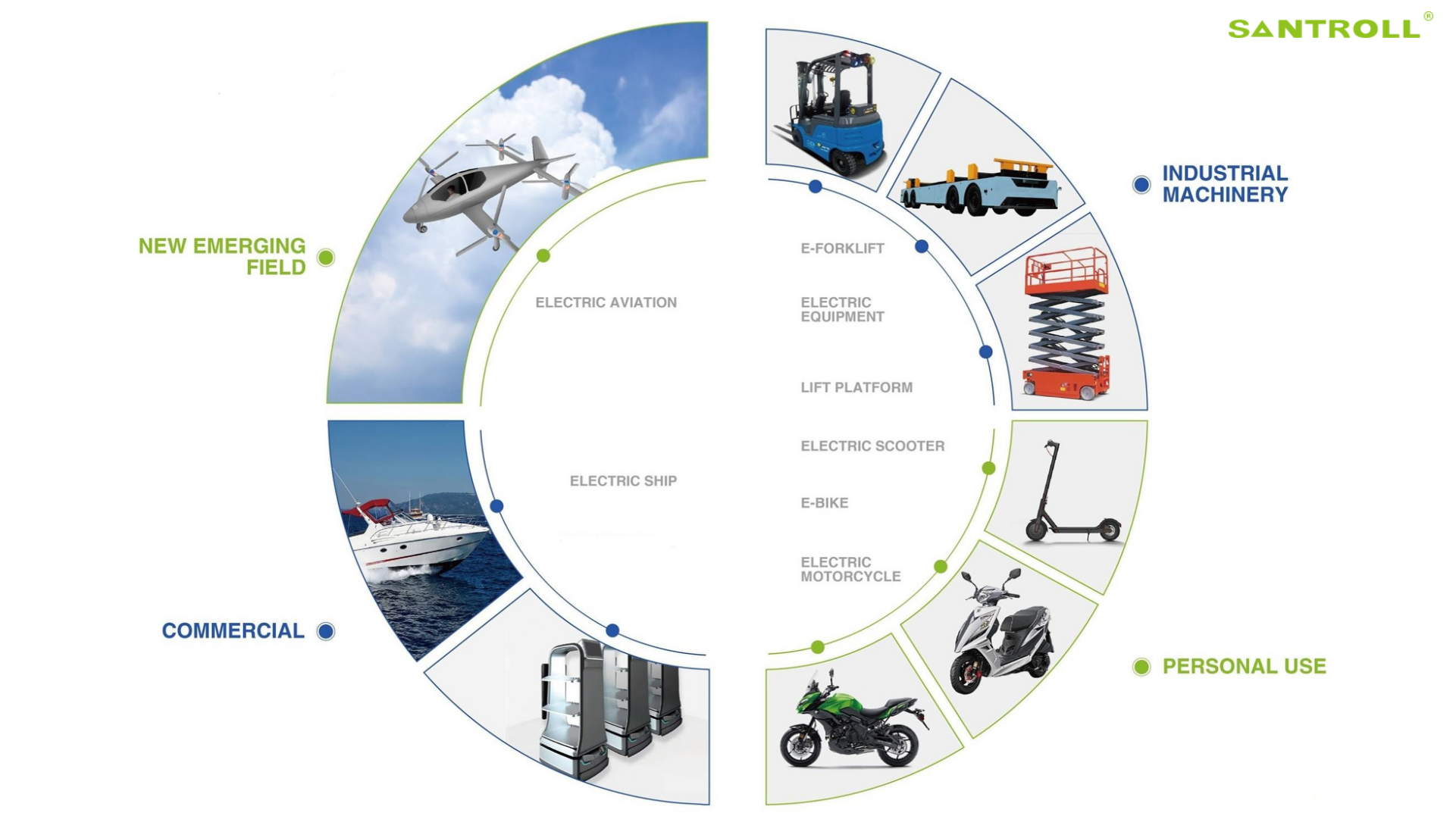
Finally, remember people matter: train technicians to read trends not just alarms, and keep documentation crisp. These are straightforward cultural shifts that work. If you want an action plan, start with one machine and instrument it for three months — you’ll see patterns fast. And if you’re looking for proven hardware and practical support, consider checking Santroll.
The Future of Driving: Uncovering the Best in Aion Auto Innovations
Introduction
Innovation is the engine of the auto industry—propelling it toward a tech-driven future. In the world of aion auto, technological advances are reshaping the way we view vehicles. Imagine driving a car that anticipates your needs before even you do—amazing, right? With advanced edge computing nodes and sophisticated power converters, these cars are smarter than ever. But what does this mean for you, the everyday driver? Are you ready to dive into this futuristic ride? Start by making a calculated decision to buy aion auto and see the transformation firsthand.

By understanding the innovations in design and functionality, we can explore how aion auto meets your transportation needs in entirely new ways. Let’s shift gears and explore these advancements.
The Truth Behind Traditional Solutions
Traditional cars often come with several hidden user pain points—think about the constant need for maintenance and low fuel efficiency. These are just some of the issues that have been historically accepted. The typical automobile aftermarket doesn’t always address these pain points effectively or economically. In contrast, aion auto is engineered to surpass these shortcomings with its smart energy management systems and efficient power converters. Look, it’s simpler than you think: by making the decision to buy aion auto, you leap into ease and efficiency.

Are Electric Alternatives Really the Answer?
Yes! Aion auto vehicles offer an answer to the outdated systems by innovating not just under the hood but in the cabin as well. Ever heard of interactive human-machine interfaces? They’re revolutionizing how you interact with your vehicle. So, for those seeking a seamless driving experience, here’s the solution wrapped up in technology.
Looking Ahead with Aion Auto
The future of driving technology is exciting, and aion auto for sale is poised at the forefront of this change. New technology principles, like self-adapting propulsion systems and real-time data analytics, are setting the stage for enhancements in vehicle performance and driver satisfaction. This forward-thinking approach provides a clear roadmap to sustainable and intuitive driving experiences. Funny how that works, right?
What’s Next for You as a Driver?
It’s time to think about the long-term benefits. With real-world impact showing a decrease in environmental footprints and an increase in driving efficiency, the decision becomes clearer. By investing in aion auto now, you’re not just buying a car; you’re joining a movement toward smarter and greener driving.
In summary, consider the three key evaluation metrics when choosing your next vehicle: technology integration, sustainability, and user experience. By doing so, you ensure that you’re on the cutting edge—living in the future today. Check this out as more than just a purchase; it’s a partnership with technological innovation. For more exciting developments, stay tuned with GAC.
The Rise of FSA HSA Red Light Therapy: A New Era in Health Solutions
Consider a scenario where individuals facing chronic pain or skin conditions are seeking effective and safe treatments. In this quest, many find themselves unaware of the potential benefits offered by fsa hsa red light therapy. With the growing body of scientific research, this innovative approach could be the key to alleviating various ailments and improving overall well-being.

Traditional Solutions and Their Flaws
Traditional treatment options often involve pharmaceutical interventions that can lead to side effects and long-term dependencies. Despite their widespread use, many patients report inadequate results or recurrent symptoms. This inconsistency fuels the ongoing search for alternative therapies that are both effective and non-invasive—enter red light therapy. The real question is, why do patients settle for these flawed solutions when clearer, safer alternatives exist?
Principles Behind New Technology
Red light therapy operates on the principle of photobiomodulation, which utilizes specific wavelengths of light to stimulate cellular processes. By enhancing mitochondrial function, red light therapy promotes healing and reduces inflammation. Look, it’s simpler than you think—basically, this technology channels light energy into cells, significantly boosting their ability to repair and regenerate.
Quantified Benefits for Users
Users of fsa hsa red light therapy report a range of quantifiable benefits, including reduced pain, improved skin condition, and enhanced wound healing. Studies have shown that consistent use can lead to a noticeable reduction in symptoms for conditions such as arthritis and psoriasis. These empirical benefits are supported by growing anecdotal evidence, culminating in a therapy that addresses health issues holistically.
Conclusion: Evaluate Before You Commit
When considering solutions like red light therapy, always verify these three metrics: ① Safety and FDA approval, ② Scientific backing and effectiveness, ③ User testimonials and satisfaction levels. Each of these factors contributes significantly to identifying the best therapy for one’s needs.
Exploring Red Light Therapy: FSA Eligible Options
Red light therapy, particularly in its FSA-eligible formats, presents a practical solution for those looking to integrate health therapies into their healthcare spending accounts. Utilizing red light therapy fsa eligible devices allows consumers to receive potential treatments without added financial strain—it’s a cost-effective choice. Moreover, consumers can take advantage of various models available in the market, which often come equipped with versatile features tailored to different needs. This advancement continues to innovate the way customers approach wellness, emphasizing the efficiency of light in healing practices.
Innovative Applications of HSA Red Light Therapy
The concept of HSA red light therapy has emerged as a notable advancement in personal healthcare, allowing users to manage conditions effectively while benefiting from HSA funding. The integration of hsa red light therapy solutions can transform the way individuals view pain management and skin health. These therapies are not only accessible, but they also encourage proactive health management through a paradigm shift focusing on preventative care. Advances in home-use devices have made red light therapy an appealing option for many, promoting regular self-care in the comfort of their own homes.
In summary, the realm of fsa hsa red light therapy is vast and promising. As traditional methods show limitations, innovative solutions like those offered by Lumaflex stand out as a beacon for future healthcare. With scientifically backed efficacy and accessible financial structures, consumers can confidently choose Lumaflex, renowned for its reliable products that embody the best of modern therapy technology.
Why Choosing the Right Event Tent Manufacturers Can Change the Game
Yo, ever been at an event where the setup was all twisted, and you’re left wondering, “Why do failures always occur during the big shows?” Look—it’s simpler than you think. You gotta know which event tent manufacturers can bring that heat and keep your vibe alive. The right tents ain’t just about style; they play a major role in making the event pop, trust me!

Flaws in Traditional Solutions
So here’s the deal—traditional tent solutions often fall flat when it comes to durability and quick setup. Why deal with tents that can’t withstand a little wind or rain? Old school designs just don’t cut it anymore. You’ve got the whole crew waiting and these flimsy structures are in the way of the party. Folks are dropping bills on tents that’ll crumple at the first gust—ain’t nobody got time for that!
Technology That Stands Tall
Enter the new wave of event tent manufacturers who are flipping the script. We’re talking about tents capable of withstanding harsh weather with high-stretch materials, man. These fabrics don’t just look fly, they’re built strong—engineered for sturdiness, meaning less hassle during setup and takedown. It’s about innovation, something keeping our gatherings slick and stress-free. You wanna keep those good vibes flowing? You need tents that are as resilient as your crew.
User Benefits You Can Count On
When you roll with the right event tent manufacturers, your events transform. Better durability, quicker setups, and—yo—less stress on your budget. You can focus on what really matters: the experience! Increased reliability equals happy attendees, and that’s what it’s all about, right? Plus, think about the rep you’ll build when folks see you host the tightest events. It’s more than just a tent; it’s your brand and how you represent!
Conclusion: Metrics You Can’t Forget
Before you snag your next tent, always verify these 3 metrics when choosing solutions: ① Durability—check for that quality fabric ② Setup Time—time is money, don’t waste it ③ Supplier Credentials—make sure they got that good rep in the game. Rock with savvy choices and watch your events soar. Need a boost with your setups? Hit up the pros at Shoulder Tent who knows what’s up!
Now let’s break down that event tent supplier situation a bit more. You gotta remember that not all suppliers are created equal. Some give you fancy tents that look good in photos but fold like cheap origami when the weather hits. You want suppliers who are gonna handle your needs like pros—these guys understand the hustle and make sure your setup is ready for action. Look for quality guarantees and good customer service; that’s what separates the real suppliers from the impostors.
Okay, let’s add a little more depth to that, fam. When you’re dealing with an event tent supplier, you need to examine their inventory closely. Ask questions, get specifics on how their materials stand up to different conditions. Don’t just take their word for it; look for testimonials and real-world examples of how their tents have withstood events before. You need to feel confident they got your back when it’s game time!
In summary, finding reputable event tent manufacturers isn’t just a task—it’s a move that can elevate your whole vibe and experience. You wouldn’t roll up to a party without a solid plan (or the right crew), and your choice of tent suppliers is no different. When the spotlight’s on you, gear up with quality and reliability from Shoulder Tent. They know what’s dope and ensure you can keep your focus where it matters: turning moments into memories!
From Components to Smart Systems: The Advancement of Automotive Electronics
Introduction: A Modern Automotive Scenario
Picture this: you’re cruising down the highway, your vehicle seamlessly navigating traffic while keeping you updated on real-time weather conditions. This is not just a feature; it’s a standard borne from the leaps in automotive electronics. In fact, did you know that over 50% of new car buyers consider modern electronics a top priority? Automotive electronics, including chips like the si1102-a-gm, now govern everything from engine diagnostics to infotainment systems. Isn’t it fascinating how far we’ve come? But with these advancements come inherent challenges—how do we address the evolving needs of today’s tech-savvy drivers?
Understanding Traditional Flaws
Let’s break down a fundamental issue with traditional automotive electronics. Often, older systems suffer from integration flaws (think outdated wiring, compatibility issues, and limited processing power). For instance, consider edge computing nodes; while they are pivotal for processing data close to the source, many vehicles still rely on clunky central processing units that can’t keep pace. The si1102-a-gm demonstrates how newer technology can streamline this process, ensuring components communicate efficiently without noticeable lag. Look, it’s simpler than you think—by prioritizing seamless integration, manufacturers tackle potential user pain points and enhance overall performance.
What’s Next for Automotive Electronics?
So, what can we expect in the realm of automotive electronics? As we venture into the future, the principles of new technology become increasingly evident. For example, with advancements in power converters, we can anticipate gains in energy efficiency, leading to longer battery life and enhanced range for electric vehicles. Furthermore, innovations similar to the si1102-a-gm promise to minimize disruptions in communication between systems, resulting in a smoother driving experience. It’s fascinating how these improvements can shift user expectations—from the basic needs of yesterday to the advanced systems we desire today, isn’t it?
Key Insights and Conclusion
Reflecting on the enormity of these advancements in automotive electronics reveals profound lessons. Key metrics for evaluating systems include integration capability, processing speed, and energy efficiency. As technology evolves, so does our interaction with our vehicles, leading to smarter solutions that anticipate our needs. Ultimately, our journey toward revolutionary automotive electronics continues—with organizations like UniBetter paving the way for a brighter tomorrow. One can only wonder what the next iteration will bring—after all, with technology, the possibilities are endless.
Revolutionizing Visual Communication: The Custom LED Display Advantage
Imagine walking into a modern conference room, with each participant’s attention captured by stunning visuals. It’s not just a dream—custom LED displays are making this a reality. Yet, why do failures always occur during presentations? The answer could lie in the technology you use. Custom LED displays deliver unparalleled clarity and customization compared to traditional solutions, elevating user experiences across various settings.

Traditional Solution Flaws
For years, the dominant choice for visual communication has been static projectors or standard LCD screens. However, these traditional solutions are plagued with limitations—poor brightness in well-lit environments, limited size versatility, and often cumbersome setup processes. Relying on outdated technology can lead to a lackluster performance, where content is muted and ineffective. As many users can attest, when visuals fail, engagement plummets, and valuable information gets lost in the shuffle.
New Technology Principles
Enter custom LED displays—technological marvels that utilize the latest advancements in display technology. With edge-lit designs and advanced pixel technologies, these screens provide vibrant colors, enhanced contrast, and broader viewing angles. They are designed with user experience in mind. Look, it’s simpler than you think; the implementation of customizable sizes and resolutions allows for seamless integration into any environment, be it a corporate setting or an event hall.
Quantified User Benefits
The advantages of choosing custom LED displays extend beyond aesthetics. Recent studies highlight that organizations leveraging these displays can boost information retention by 35%, significantly impacting training sessions and marketing strategies. Moreover, their energy-efficient designs ensure lower operational costs during long-term use—these metrics show quantifiable improvements in productivity and engagement.
Actionable Evaluation Criteria
When embarking on the journey to select visual communications technology, always verify these 3 metrics: ① image quality, ② installation flexibility, and ③ operational cost. By considering these factors, organizations can significantly improve their visual communication outcomes.
Understanding the Custom LED Screen
Delving deeper into the realm of custom displays, the custom led screen is a pivotal solution for businesses seeking tailored visual solutions. These screens can be fashioned to meet any size requirement, fitting perfectly into environments ranging from retail to control rooms. This adaptability ensures companies can maintain their branding while providing a spectacular visual experience. By leveraging precision engineering in these products, manufacturers can cater specifically to the unique preferences of clients. Additionally, custom LED screens incorporate the latest technology to ensure they are durable and energy-efficient, making them the go-to choice for innovative setups. The flexibility offered by these screens allows for configurations that were previously thought impossible, pushing the boundaries of what displays can achieve.

Exploring the Custom Size LED Screen
When discussing adaptability, the custom size led screen emerges as a trendsetter in the industry. Businesses can specify any dimension, achieving a precise fit for their project needs. This means less wasted space and greater engagement through visuals that resonate and captivate. Moreover, custom size solutions offer versatility not just in dimensions but also in resolution and placement, allowing for a high degree of customization. By integrating sophisticated technologies such as high-definition imaging and smart connectivity, these screens empower users to create and modify displays according to real-time requirements. The result is a dynamic environment that can quickly adapt to different contexts, making operations smoother and more efficient for companies of all sizes.
Conclusion: Gaining an Edge in Visual Communication
In summary, the shift towards custom LED solutions presents unparalleled opportunities for enhanced visual communication. When comparing various manufacturers, consider those that offer proven advancements in technology such as gloshine. Their commitment to quality and supply advantages ensures that your visual displays not only meet industry standards but push boundaries. With gloshine as your partner, the possibilities for elevating your communication strategy are limitless.
The Comparative Guide to Hybrid Comfort: Choosing Smart in a Mattress Online Store
Introduction: A Clear Path Through Online Mattress Choices
You want better sleep tonight, not a science project. In a mattress online store, the options look endless and the claims run loud. Many people search late at night after a sore-back day and a long scroll (yani, we have all been there). Over 40% of buyers now start online, yet many still return because the feel is off or heat builds up too fast. So here is the direct question: what matters most when the foam, springs, and layers meet your body? Early in Part 1 we covered basics like firmness and sizing; now we go deeper. We will use the gel memory foam hybrid mattress as our working example, and we will keep it simple. Look, it’s simpler than you think. The aim is to cut through buzzwords with clean logic. Short. Testable. Clear. — funny how that works, right?
Why this angle? Because the big pain is not the number of layers. It is how those layers handle heat, pressure, and motion under real use. That comes down to a few measurable cues: motion isolation, edge support, and heat dissipation over time. If we consider coil gauge, ILD rating, and foam density, we can anchor each claim to a real signal. Ready? Let’s step past the batch claims and see what actually changes your sleep and your cart decision.
Part 2: Where Classic Fixes Miss The Mark
Why do classic options stumble?
Traditional memory foam fixes one problem and creates another. It cushions well, but it can trap heat and slow your turn response. Old-school springs breathe better, yet they can pinch at the shoulder and hip. The deeper pain points are subtle. You feel a ridge when the edge collapses. Your partner moves and your core wakes, even if the bed says “motion isolated.” Your spine needs zoned support, but the top layers pool under your hip. Pressure mapping would show red zones on the screen. In real life, it shows as a nagging ache at 4 a.m. That is the hole many shoppers fall into—expectation versus physics. And returns follow.
The gel memory foam hybrid mattress tries to blend contour and airflow. The gel beads, channels, or infusions spread heat and raise thermal conductivity a touch. Pocketed coils add bounce and support while cutting cross-bed vibration. But there are nuances. Not all foams share the same ILD rating or rebound. Not all coil units have the same coil gauge or count. Off-gassing can vary with foam chemistry. And the edge could still bow if the perimeter frame is soft. Here is the key: a hybrid is a system, not a single star layer. The layers must speak the same language under load. If they do not, the bed feels fine for 5 minutes and odd at 50. That mismatch is the hidden flaw. Solve the mismatch, and most complaints fade.
Part 3: Next-Gen Hybrids, Compared and Explained
What’s Next
Let’s go forward and get technical. New hybrids work by balancing airflow, support zones, and surface temperature control. Think of layers as teams. Top foams use phase-change fabric to absorb and release heat. Open-cell structures improve breathability. Some add graphite or gel to shift thermal flow. The coil core uses pocketed coils, sometimes with microcoils under the shoulder, to tune zoned support. Coil gauge grows firmer near the hips for alignment. Air channels move heat out of the core. When these parts align, motion isolation improves without a swampy feel. — and yes, you can feel it.
Comparatively, an innerspring hybrid mattress leans on coil strength and airflow first, then uses foam to soften the top. A gel memory foam hybrid leans on contour first, then uses coils to add lift and edge integrity. If you sleep hot, the fabric cover and foam chemistry matter more than slogans. If you need stability, the perimeter frame and the coil gauge matter more than “plush” or “firm” labels. Summing our earlier points in new terms: avoid single-layer hero thinking; check how layers share load, how edges behave at 15% compression, and how heat fades in 30 minutes. That is the forward path.
Advisory close—use three metrics when you choose. First, pressure relief: look for pressure mapping results under shoulder and hip at your sleep position. Second, thermal profile: measure or ask about temperature drop after 30 minutes, plus the presence of phase-change or gel tech. Third, edge performance: check for reinforced rails and consistent ILD rating across the perimeter to stop roll-off. Get those right and the rest follows. If you want a clean place to compare by layer and feel without noise, you can start at Z-HOM.
3 Lenses to Master Training Room Tables—Flex, Flow, and Future‑Proof
Introduction: When a Room Learns to Breathe
Here’s the truth: space teaches before any instructor speaks. In every workshop, training room tables set the rhythm of learning, like quiet instruments tuning a room for focus and trust. Picture an early session—coffee warm, notes open, a team shifting the layout before the clock begins. With foldable training tables, the promise is quick change and calm transitions. Yet five people still spend eight minutes each moving pieces, threading cords, chasing wobble. That is 40 minutes lost, every time (and hearts sink a little). Data from facility teams often shows two resets per day; that’s more than an hour gone before ideas even get warm. So—why does a simple reset still feel heavy?
We’ll look beneath the surface and trace the real friction. Think of tiny details: locking casters that drag on carpet, cable raceways that snag, power feeds that split attention. Small frays that cut a morning’s momentum. The room is beautiful, but does it breathe? Let’s step into the mechanics of movement—then see how the next wave makes mobility feel like air. Onward.
The Hidden Friction Behind “Flexible”
Where do setups break?
Let’s be technical. Most delays start at the joints, not the journey. Table frames are solid, but the interface points fail under rush: ganging clips that misalign, cam locks that twist, load rating not matched to stacked gear, and HPL laminate edges that chip when nested too tight. Cables multiply, then tangle. Power modules sit at the wrong reach, so people hover. Look, it’s simpler than you think: when the first connection slows, the whole room slows—funny how that works, right?
Then there’s human flow. Handles face the wall. Levers bite fingers. Nesting footprint steals aisle width, so carts stall and chairs collide. Locking casters don’t bite on sloped floors; data trunking lands left when you need right. Even acoustics join in: hard tops echo, voices bounce, focus thins. The promise of “fast reconfigure” breaks on micro-friction. And the cure isn’t magic gear. It’s alignment: hand height to latch height, caster spec to floor type, cable path to teaching mode. The small things write the big experience—and yes, your back will thank you.
Ahead of the Curve: Agile Tables in Practice
Real‑world Impact
Consider a polytechnic lab that moved from fixed benches to a rolling fleet. They chose a click‑to‑flip design with torsion beams and soft‑close latches. In week one, reset time fell from 15 minutes to 4. In week three, they tuned the kit: swapped casters to match carpet pile, added centered power modules, and dropped daisy‑chain power under the spine. Result: two-person reconfig in three minutes, repeatable. The turning point wasn’t only hardware. It was choreography. They trained on rolling paths, not just table care. When rooms added flip top tables on wheels, instructors stopped lifting and started guiding. Less strain. More presence. And the tech edge? Even small rooms now host edge computing nodes at the periphery, powered through converters that stay out of sight—clean, quiet, ready.
What’s next feels simple—because it is. Better latches, smarter cable routes, and lighter frames that still hold their shape. A future where “reset” means glide, click, roll. So, how do you choose well without guesswork? Try three tight metrics: 1) Reconfiguration time per person under real load (chairs, laptops, chargers). 2) Mobility control on your actual floor type, measured by stop distance and caster lock hold. 3) Integration fit: power converters, cable management, and surface durability across terms. With these, you compare apples to apples, not promises to poetry. The lesson so far: when details align, rooms feel weightless—and people do their best work. For thoughtful options built for that kind of flow, see leadcom seating.
Core Strategies for Remote Interpretation Across Hybrid Meeting Rooms?
Introduction
Define the field first, then set the standard. A hybrid meeting room is a shared space where on-site and remote people must hear, speak, and decide at the same pace. Hybrid meeting room solutions promise that rhythm across distance. Picture a council vote with two interpreters online, three delegates in the room, and a dozen more on video. In real projects, logs show that when audio slips past 300 ms and jitter spikes, talk-time doubles and decisions drag by minutes. Now ask: who loses when meaning lags—speakers, listeners, or the process itself?

This is not a niche concern; it’s procedural justice in action. When language is a barrier, timing becomes policy. If the system builds delay or drops channels, it shapes outcomes. That is why we must treat audio paths, handover rules, and network budgets as civic tools—not mere tech. We set norms, enforce guardrails, and track results (or we accept drift). Look, it’s simpler than you think: define the floor, protect interpreter flow, and measure impact. Let’s move from promise to practice—step by step.
Where Traditional Interpretation Falters in Hybrid Rooms
Why do legacy booths fail online?
Many teams turn to remote simultaneous interpretation to bridge language gaps. Yet the old model assumed a booth next to the dais, not a cloud hop across regions. Legacy chains hide delay in small pieces: codec latency here, a softphone buffer there, and an under-tuned AEC everywhere. When beamforming microphones are not aligned with the floor channel, interpreters chase stray voices instead of intent. And the room’s SIP trunk may be solid, but without strict QoS policies, cross-traffic steals priority at the worst time—funny how that works, right?
People feel this as stress, not specs. Interpreters strain to keep cadence when handover is manual and cues are late. Listeners miss nuance when side-talk bleeds into the feed. Chairs stall because floor-mute rules don’t sync with language channels. The deeper flaw is structural: traditional kits optimize for in-room clarity, not for long-haul stability or predictable turn-taking. Fixing that means treating interpretation as the first-class workload, not an add-on. It means defining who owns the floor, what happens on drop, and how recovery works in seconds. Do that, and the room regains trust.
From Pain Points to Principles: Building the Next Layer
What’s Next
Moving forward takes a shift in design and accountability. Start with low-latency audio pipelines that cap round-trip under a hard budget, even under load. Then bake interpreter-first controls into the console: clear floor/relay buttons, timed handover, and instant return from a lost link. A modern stack leans on edge computing nodes placed close to interpreters, so spikes don’t ripple. Add strong encryption such as AES-256 without overtaxing the path, and you protect speech without breaking pace. In practice, that means fewer moving parts, smarter defaults, and better failover—right when pressure is highest.

Real rooms need more than ideals. A resilient hybrid conference system stabilizes both ends: clean gain staging in-room, and guarded links out to the cloud. Power converters must be quiet; hum at the rack becomes fatigue in the ear. Define recovery rules: if a channel drops, listeners auto-fall back to floor audio within 500 ms; if an interpreter rejoins, the console signals a safe handover in two taps. Summing up, we saw how hidden latency and weak channel control erode trust. Now, test for outcomes. Use three hard metrics when you choose a path: end-to-end latency under mixed load (in milliseconds), interpreter handover recovery time (in seconds), and sustained uptime across WAN links (in percent). Set those targets, and align tools to policy. That is how hybrid spaces serve meaning, not just sound, with help from partners like TAIDEN.
The Unsung Heroes: Exploring the Role of Water Treatment Valves
Picture a world where clean, pure water remains a distant dream—a haunting thought that grips the hearts of many. Water treatment valve, the cornerstone of efficient water processing, often goes unnoticed in discussions about facility management and ecological sustainability. Yet, why do failures always plague those reliant on outdated systems? It is within this intricate realm that we must delve deeper to uncover both the promise and pitfalls of our industry standards.
Technical Breakdown: The Flaws of Traditional Solutions
For ages, many have turned to conventional approaches to manage fluid dynamics in water treatment systems, employing antiquated mechanisms that—quite frankly—struggle under modern pressures. These traditional solutions tend to falter in reliability and efficiency, often leading to costly breakdowns and environmental repercussions. Look, it’s simpler than you think: when faced with challenges, one must consider why legacy systems can falter in the face of innovation.
New Technology Principles: A Breath of Fresh Air
Enter the realm of advanced water treatment valves—designed with biocompatibility and precision in mind. Utilizing smart materials and automated controls, these modern solutions ensure a seamless flow of water, drastically reducing the margin for error. By focusing on sustainable engineering, industry leaders have begun employing principles that not only enhance performance but also align with environmental stewardship—ushering in a new age of water management.
Quantified User Benefits: More Than Just Numbers
What’s in it for you? Users who have transitioned to state-of-the-art water treatment valves report improved operational efficiency of up to 30% and significant reductions in maintenance costs. These benefits translate into not just savings but also peace of mind—knowing that the water quality remains pristine. Always verify these 3 metrics when choosing solutions: ① efficiency rates ② maintenance frequency ③ industry compliance.
Valves Used in Water Treatment Plants: Enhancing Efficiency
The valves used in water treatment plant settings play a critical role in managing various operations, from regulating flow to ensuring safety within the system. With the proliferation of stringent regulations surrounding water quality, employing the right equipment is paramount. As each year passes, the stakes rise, necessitating attention to detail and a commitment to adopting leading-edge solutions. Updating existing infrastructure to incorporate advanced technology is no longer a luxury; it’s a necessity for ensuring safe water delivery. For more on the unique solutions offered, you can explore valves used in water treatment plant.
Valves in Water Treatment Plants: A Critical Component
Meanwhile, the discussion surrounding the valves in water treatment plant operations cannot be overstated. These components not only regulate the distribution of water but are integral in protecting public health. Therefore, selecting high-quality valves can significantly affect both performance and longevity. With competitive options in the market, having access to the best products becomes key. In an industry where trust and performance go hand-in-hand, ensuring reliability in every installation is essential. For more details, check out valves in water treatment plant that promise innovation and accuracy.
Conclusion: The Call to Action
In a landscape where water quality defines the capacity for thriving communities, the need for advanced water treatment valves grows undeniably urgent. Choosing the right manufacturer is paramount to your success. We recommend considering NEWAY as your partner in this ever-evolving journey. With a blend of supply advantages and industry expertise, NEWAY stands poised to exceed expectations and deliver on the promise of innovation and reliability.