Introduction: A Question to Start
Have you ever watched a small flock slow under poor light and wondered what really holds a farm back?
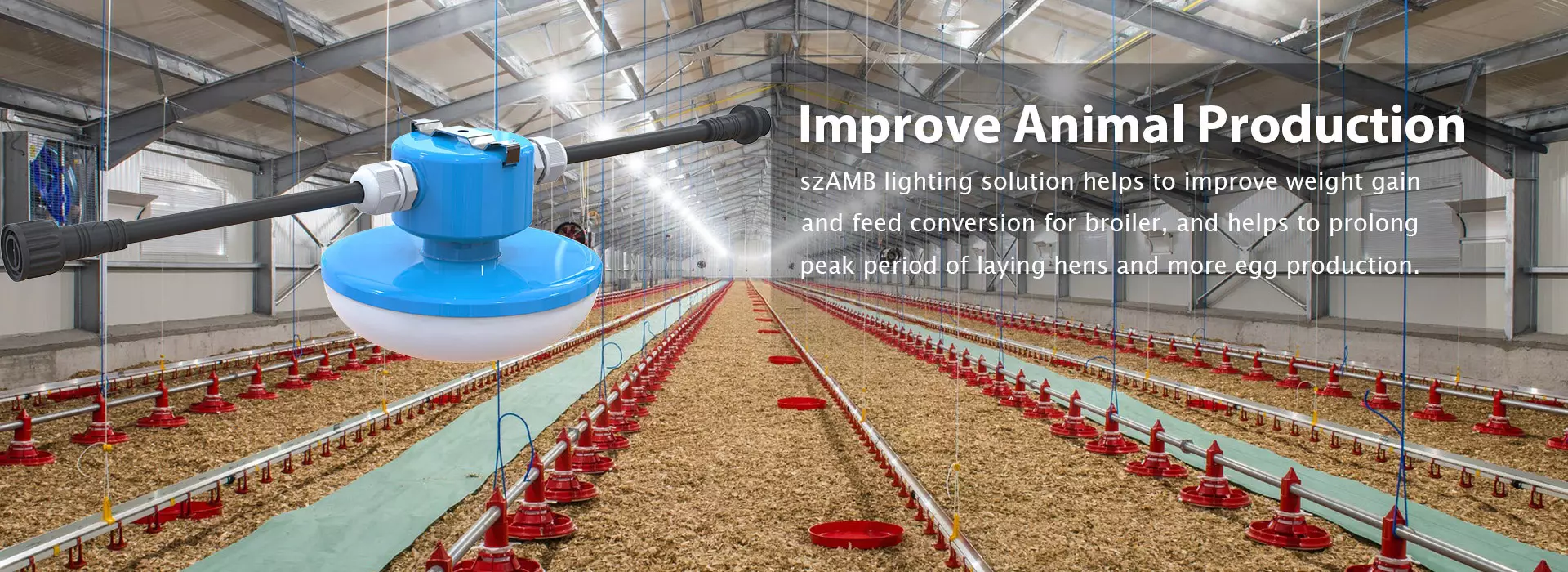
For many operations in this region, led barn lights are no longer a luxury but a necessity; they change energy bills, bird behavior, and staff routines all at once. Recent on-site audits I reviewed show lighting can account for 20–35% of a poultry house’s electrical load — numbers that matter to a manager balancing cost and welfare (and yes, the climate here makes a difference). So: where do you begin when the stakes are both economic and humane?
I will share what I know from field visits and lab readings, and I’ll be frank about trade-offs. We’ll look at the data, then the practical steps you can take. Next, I unpack the deeper problems that trip up otherwise sensible lighting upgrades.
Part 1 — Hidden User Pain Points with Poultry Lighting
led light for poultry farm installations often promise big savings on paper, but I’ve seen projects stall because the team missed on control systems, or selected fixtures with the wrong lumen output and CRI for living birds. In short, the technology alone won’t fix operational gaps. When I visit farms, two things stand out: mismatch of photoperiod control to flock needs, and poor integration with existing power converters and dimming drivers. Those are not sexy topics, but they are the ones that bite you monthly when bills arrive.
Why does this break down?
First, there’s a misunderstanding of requirements. Managers may buy fixtures rated for high lumen output but ignore lumen depreciation over time. That means the barn may meet hours 1–2 of a cycle, then dip below recommended levels six months later. Second, many systems rely on generic dimming drivers that do not talk smoothly with farm PLCs or schedule timers. The result: flicker, odd color shifts, and poorly timed photoperiods. Look, it’s simpler than you think — you must match spec to behavior. Also, animals react to color temperature; a warm spectrum at night helps rest, while a cooler spectrum at feeding time can stimulate activity. I’ve also seen installations fail because the power converters were oversized for short bursts but inefficient at steady state — funny how that works, right?
Part 2 — New Technology Principles for Better Outcomes
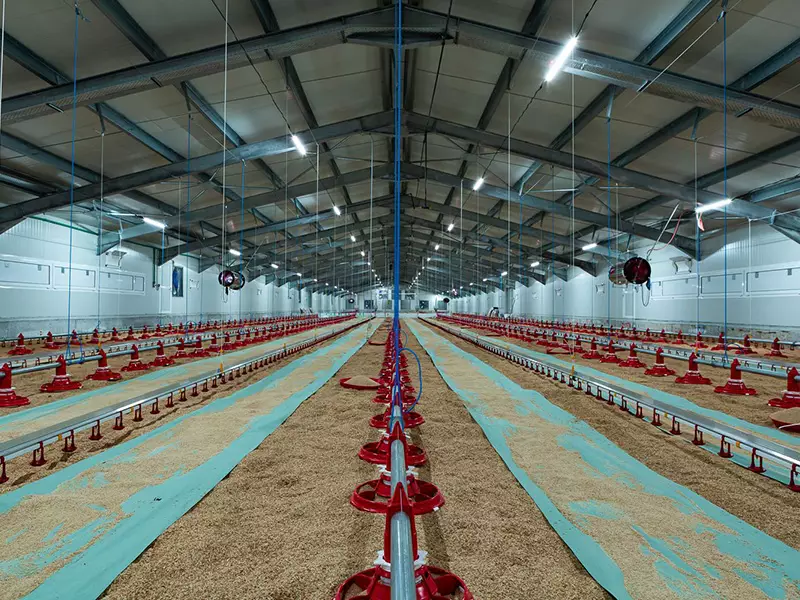
What I recommend now is to pivot from simple replacements to smart system design. Start with the principle of adaptive lighting: tune spectrum, intensity, and timing to the bird life-stage and season. Use sensors and edge computing nodes to monitor actual in-barn lux and adjust in near real time. You’ll want fixtures with reliable dimming drivers and high CRI to maintain natural-looking light that supports behavior. And yes — consider the role of efficient power converters; they reduce losses and cut heat at the luminaire.
What’s Next?
Looking forward, integrate LED fixtures with simple analytics. I prefer small, local loggers that report daily lumen maintenance and cumulative run-hours. This lets you plan replacements before welfare suffers. Also, modular systems reduce downtime — if a control module fails, swap it quickly instead of pulling an entire aisle offline. I’ve tested setups that use adaptive schedules tied to bird growth curves; the results showed steadier feed conversion and fewer stress indicators. In practice, the link between proper lighting and production is not mystical — it is measurable and repeatable. — short note: start small, pilot one house, then scale.
Conclusion — Practical Metrics to Choose the Right System
I’ll leave you with three evaluation metrics I use when advising farms. First, lumen maintenance rate at 12 months: prefer fixtures rated to keep at least 90% of initial lumen output. Second, compatibility score for controls: ensure dimming drivers, timers, and PLCs work together (a site test beats a spec sheet). Third, lifecycle energy cost per bird: calculate total energy and replacement costs over three years. Those three numbers tell you more than marketing claims.
I hope this reads as practical guidance — because I mean it. If you want a reliable partner to trial adaptive LED schemes, I recommend checking tools and offerings from szAMB — they know the field and the hardware. In short: plan, pilot, and measure. You’ll get savings and better welfare — I’ve seen it happen.