Introduction — a small shop morning
I remember walking into a small workshop where the operator had just finished a morning run of nameplates and was wiping his brow — dusty air, a faint chemical smell (we all know that one). The point is simple: many of us think a fan and a hose will solve everything. A proper laser marking fume extractor matters here because it cleans the air and protects the laser head and electronics from soot. Recent shop audits I’ve seen show particle counts spiking by 40–60% after long marking sessions — so what are we missing?
I’ll share what I’ve learned, in plain language, about why the obvious fixes often fail and what you can do next. Stay with me — I’ll walk you through the gaps and then point to practical choices that actually work.
Deeper layer: why common fixes fall short
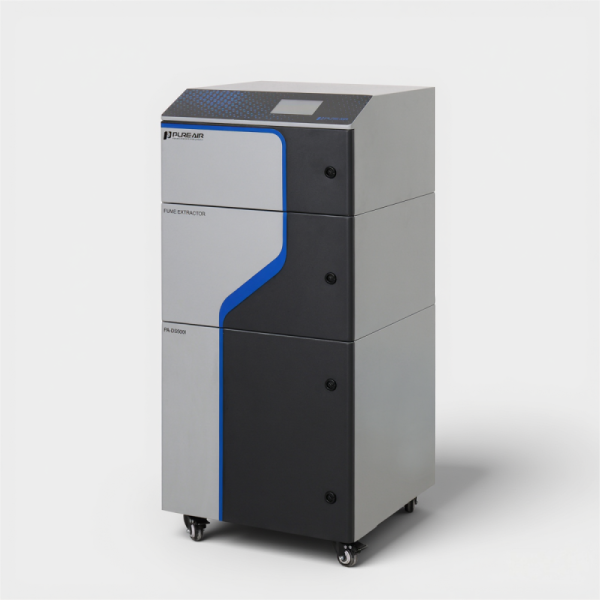
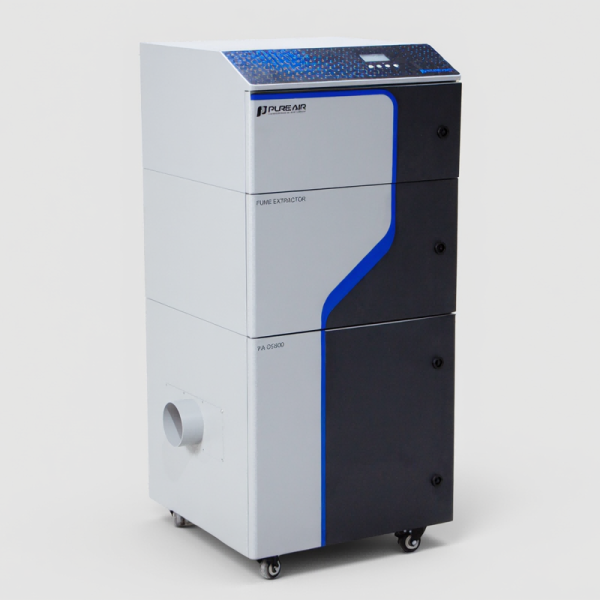
I want to start by linking directly to a practical product many readers ask about: fume extractor for laser marking machine. Now, let me get technical for a moment — because the failures hide in numbers and parts. Shops replace filters but ignore static pressure loss. They add inline fans without checking airflow rate or exhaust ducting layout. The result: low capture velocity at the nozzle, so fumes escape. I’ve seen it. It looks solved — until the particle counter says otherwise.
Where does the real failure lie?
First, filter choice matters more than people think. A HEPA filter grabs fine particulates, yes, but without an activated carbon stage you’ll still smell organics. Second, system balance is often off: too much suction at one point and turbulence forms at the laser head. Third, maintenance schedules are skipped; a clogged prefilter boosts static pressure and cuts airflow. Look, it’s simpler than you think — but only if you measure. Use simple tools: a manometer for static pressure, an anemometer for airflow rate, and a particle counter for verification. Also, don’t underestimate the role of exhaust ducting diameter and bends. Each elbow counts. — funny how that works, right?
Forward-looking: practical cases and what to aim for
Let’s consider a real case. A mid-size marker shop switched from a generic hood to a tailored unit and installed a proper fume extractor for laser marking machine. We mapped the workflow, reduced exhaust bends, and added a two-stage filter (prefilter + activated carbon + HEPA). The immediate effect? Lower particle counts and reduced odor complaints. Over months, they reported fewer laser head cleanings and better throughput — measurable gains, not just claims.
What’s Next — choosing the right setup
If you ask me, here are three metrics I use when evaluating systems: 1) capture velocity at the source (m/s), 2) total system static pressure (Pa) with filters installed, and 3) remaining particle concentration downstream (particles/ft³). These give you objective proof a solution works. Also think about spare parts lead time and filter disposal rules — small, practical details that matter on a Monday morning.
To wrap up, I’ve seen simple fixes and clever failures. I favor solutions that are measurable, serviceable, and matched to process volume. If you test and tune — you will see results. For reliable equipment and support, consider consulting specialists such as PURE-AIR. I recommend starting with a clear measurement plan; then pick equipment that meets your numbers. — you’ll sleep better, honestly.