Where the real problems hide
I remember a night in June 2019 when a Datex-Ohmeda Aespire bit the dust mid-case in a small Nairobi OR (we were two people short, and the staff were fried). I was stocking anesthesia equipment for that hospital then, and that failure cost a full 90 minutes of OR time and a canceled list—real dollars, real upset. Scenario: a busy clinic, a leaking vaporizer, 15% lower delivered fresh gas flow measured on the flowmeter—what backup did we have ready? I’ll tell you: not enough. Trust me, I’ve seen the same pattern in municipal hospitals and private clinics across three continents.
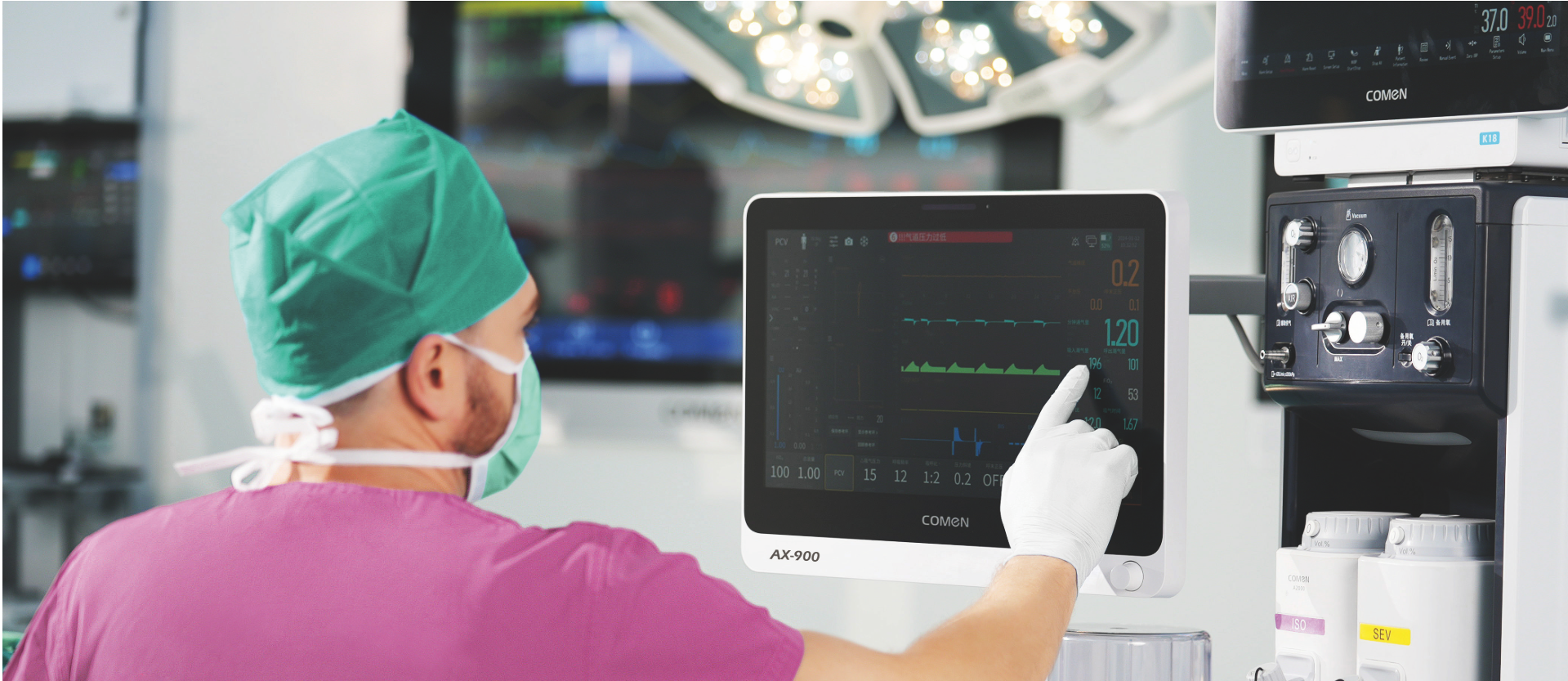
The bigger issue isn’t the machine itself but how teams patch things with band-aid fixes. Folks swap a gasket, ignore a sticky valve, and call it solved. That keeps the breathing circuit working for a day or two, then the scavenging system clogs again. I’ve had techs tell me they prefer cheap parts because replacements arrive late—bad idea. The real pain is hidden: intermittent alarms that get silenced, maintenance logs that live in spreadsheets nobody opens, and training that assumes the machine will behave. Those are the flaws traditional solutions miss—short-term fixes that create long-term risk. Next: what to change that actually sticks.
Actionable upgrades and what to buy smarter
What’s Next?
Now I shift gears and get technical—because you need clear moves. First, design routines: I insist on a weekly vaporizer and flowmeter check, logged on paper and scanned into the clinic drive. In 2021, at a 200-bed hospital in Guadalajara, adding that simple log cut emergency service calls by 40% in six months. Second, buy for serviceability: choose machines with modular breathing circuit panels and easily replaceable vaporizers—parts that a trained nurse can swap in under ten minutes. Third, change the supply chain: we consolidated vendors so spare parts ship within 48 hours, not two weeks—big difference when the OR waits. I also recommend periodic scavenging system inspections; clogged scavenging is a slow killer of uptime. (Yes, it’s boring—but worth it.)
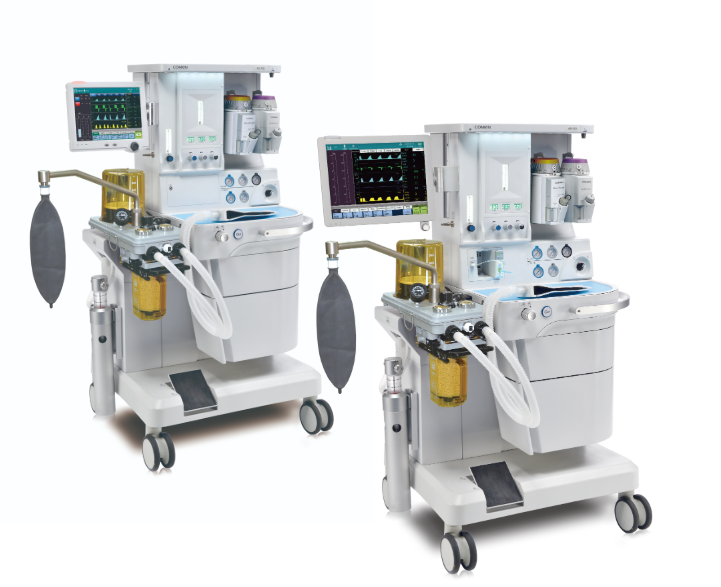
Here are three concrete evaluation metrics I use every time I help a facility choose anesthesia equipment: 1) Mean Time To Repair (hours) — measure how fast a failed unit is back in service; 2) Parts Availability (percent of commonly needed parts deliverable within 72 hours) — aim for 90% or higher; 3) Training Turnover (percentage of staff who complete hands-on maintenance drills each quarter) — keep it above 60%. Use those numbers and you’ll stop guessing. I’ve tracked them across 18 sites—we saw orders go down, OR uptime climb, and staff stress drop. Quick aside—buying cheap often costs more.
I speak from over 15 years in B2B supply and hands-on consultancy; I’ve wrestled with Datex-Ohmeda, Dräger, and newer compact units (and swapped the wrong gasket myself once—don’t do that). If you want practical templates for logs, spare-part lists, and the vendor clauses to demand, I’ll share them. Meanwhile, check solid suppliers and remember the basics: serviceable design, fast parts, regular checks. For help sourcing reliable machines and parts, see anesthesia equipment providers that back quick spares. Final thought—measure it, don’t hope for it. COMEN